On 8 January 2023 thousands of Bolsonaro supporters stormed Congress, the Planalto Palace and the Supreme Court in Brasília. What is known a day later, with the figures still provisional.
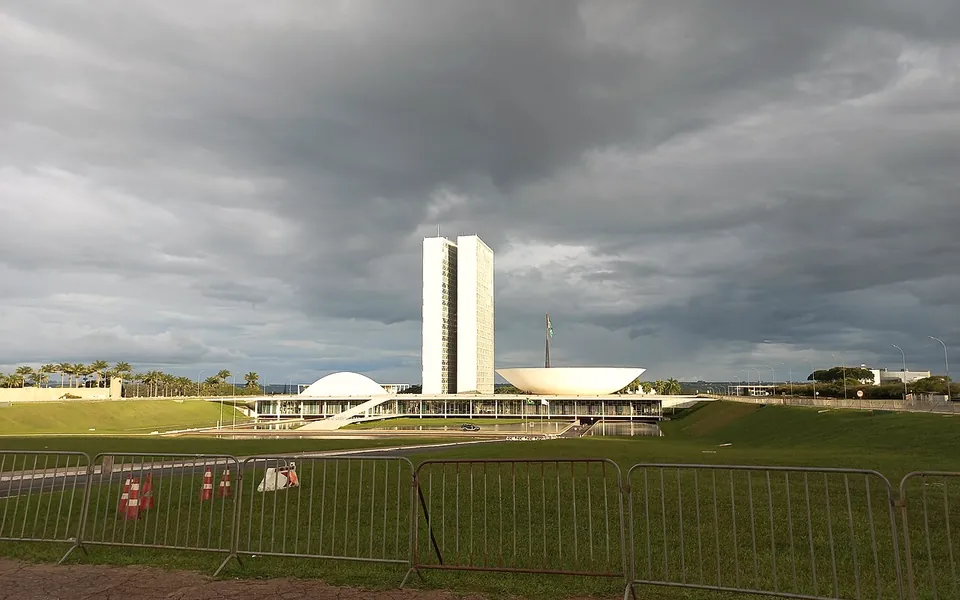
On Sunday 8 January 2023, a week after the inauguration of President Luiz Inácio Lula da Silva, thousands of supporters of former president Jair Bolsonaro broke through security barriers and stormed the National Congress, the Planalto Palace, the seat of the presidency, and the Federal Supreme Court in Brasília. Local media estimated about 3,000 people. The siege lasted just over three hours.
What happened
The protesters smashed windows and furniture in Congress and in the Supreme Court and roamed the Planalto; a police officer was pulled from his horse and beaten. From the roof of Congress they unfurled a banner with the word “intervention”, and some called for the armed forces to act. The buildings, on a Sunday, were largely empty, according to press reports.
Lula was on an official trip in the state of São Paulo. He blamed Bolsonaro, called the attackers “fanatical fascists” and said all those responsible would be found and punished. Bolsonaro, who was in Florida and had not conceded defeat in the 30 October vote, stayed silent for almost six hours; he then wrote on Twitter that he rejected Lula’s accusations and that invading public buildings “crosses the line”. US President Joe Biden condemned “the assault on democracy and on the peaceful transfer of power in Brazil”.
The authorities’ response
The same Sunday Lula signed Decree 11,377, which establishes a federal intervention in the Federal District, limited to public security, until 31 January 2023, and appoints Ricardo Garcia Cappelli as interventor. The decree justifies it by the need to end the serious compromise of public order. Justice Minister Flávio Dino said the “absurd attempt to impose their will by force” would not prevail.
Between Sunday night and the early hours of Monday 9, Supreme Court justice Alexandre de Moraes, rapporteur of the inquiry into the anti-democratic acts, suspended the governor of the Federal District, Ibaneis Rocha, for 90 days. He did so at the request of the Attorney General’s Office and of a senator, considering that his remaining in office could hinder the gathering of evidence. Rocha had dismissed his public security secretary, Anderson Torres. Moraes also ordered the dismantling of the camp of Bolsonaro supporters outside the Army headquarters in Brasília.
The number of detainees varies by source and by the hour. The governor first spoke of more than 400 and the police later lowered the figure to about 300. On Monday 9, after the camp was dismantled, more than 1,200 detainees were reported at that site, and Minister Dino spoke of about 1,500 in total. These are provisional figures.
What is being investigated
The authorities are investigating who organised and financed the protesters’ journey. According to the newspaper O Estado de S. Paulo, about 100 buses carried 3,900 people to Brasília. Dino said 40 buses had been seized and that their licence plates and some financiers had been identified, with the aim of following the money to the “intellectual authors”.
From a legal point of view, the episode combines three levels: the federal intervention, which the decree limits to public security; the Supreme Court’s precautionary measures, such as the governor’s suspension; and the criminal investigation of those who took part in, organised or financed the acts. Each will take its own course and, for now, the data are provisional.
The verified facts are few and the investigations have only just begun: it is worth distinguishing what is established from what is assumed.
This article is general information. It is not legal, tax or investment advice, and it does not take anyone’s particular circumstances into account.