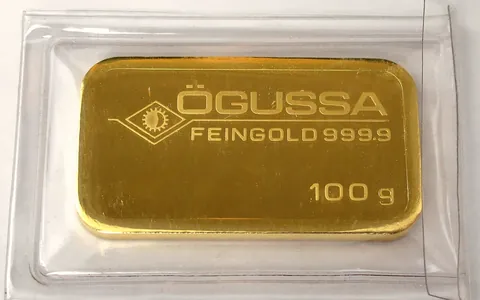
On 4 August 2020 gold rose above $2,000 an ounce for the first time, up more than 30% so far this year. What lies behind the rise and what is worth knowing.
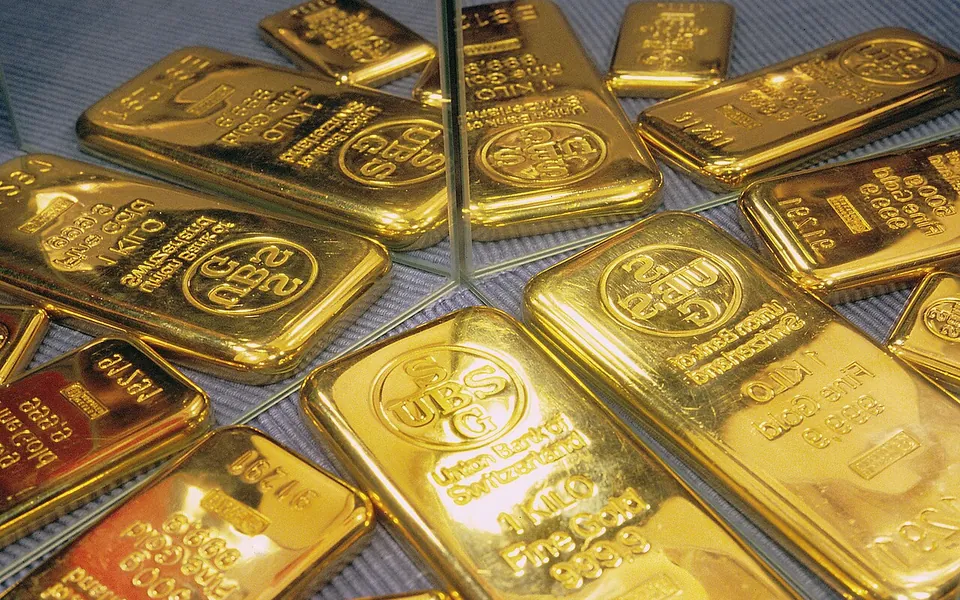
On Tuesday 4 August 2020, at around 16:15 GMT, spot gold rose above $2,000 a troy ounce for the first time, a record high. December futures on the Comex exchange closed that day at $2,021, up 1.7%, and the next day the metal was still above that level. So far in 2020 it had risen by more than 30%, and silver rose 6.6% on Comex that day. The same Tuesday the Nasdaq closed at a new high and the S&P 500 climbed back above 3,300 points: gold and equities were rising together.
Why it is rising
The usual explanation combines several factors. The pandemic had weakened the economy and clouded the outlook. Real interest rates, that is, the yield on debt once inflation is deducted, were negative: gold pays no interest, and when bonds do not offer a real return either, holding it costs less. Commerzbank pointed, among the factors, to the high number of infections, the lack of agreement in the United States on a new aid package and the high valuations of stock markets. Late in the session, moreover, government bond yields had fallen and the dollar had paused its brief rebound.
The World Gold Council had published its second-quarter report a few days earlier, on 30 July. Inflows into gold-backed exchange-traded funds totalled 734 tonnes in the first half, a record, taking holdings to 3,621 tonnes, fuelled, according to the Council, by the response of central banks and governments to the pandemic: interest-rate cuts and massive injections of liquidity.
By contrast, jewellery demand fell 46% in the half to 572 tonnes, and demand for investment bars and coins fell 17%, with Western investors increasing their demand while it slowed in Asia and the Middle East. Central banks bought 233 tonnes, 39% less than in the record year of 2019. Supply fell 6% to 2,192 tonnes because lockdowns affected mining and recycling, and the dollar price had risen 17% in the half.
How to read the high
A record price does not by itself say where it will go next. Gold produces no interest or dividends, its price depends on expectations that change quickly, among them inflation, interest rates and the dollar, and its rises and falls can be wide. For anyone buying in euros, the result also depends on the euro-dollar exchange rate, because the metal is priced in dollars.
What to review
For those who already hold gold or funds linked to it, it is worth knowing what weight it has in their overall wealth, how it is held (physical metal, exchange-traded funds or mining shares, which do not behave alike) and what custody or management costs it carries. For those considering it, the record high is not in itself a signal for or against, and this note is not a recommendation to buy or sell.
Ask your adviser how it fits your case. A record is a data point, not a forecast: gold rises and falls with expectations, not with round numbers.
This article is general information. It is not legal, tax or investment advice, and it does not take anyone’s particular circumstances into account.