Gold rose above $1,400 an ounce on 21 June 2019, its highest level since September 2013, after the Federal Reserve’s message of the 19th. What lies behind the rise and what is worth bearing in mind.
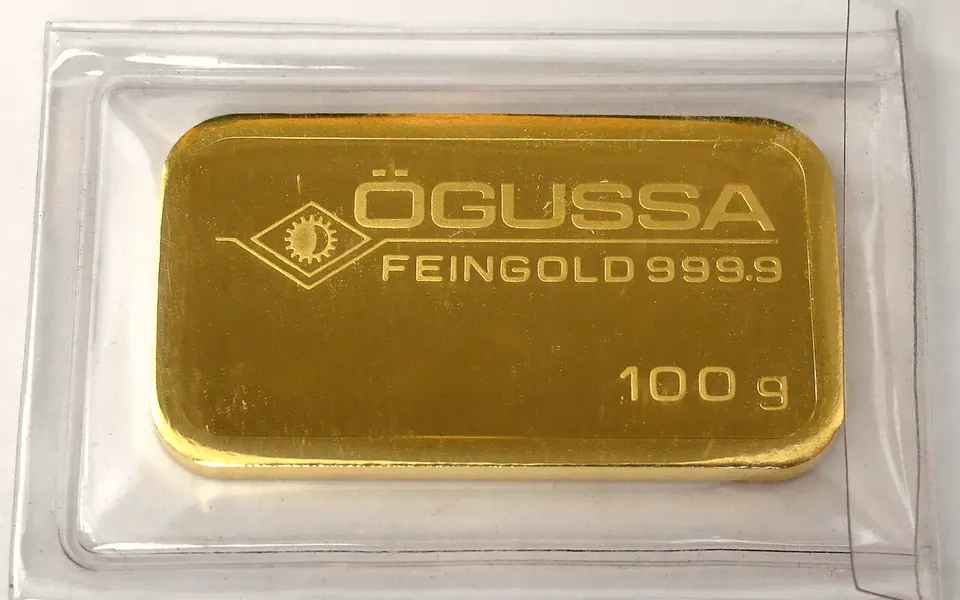
On Friday 21 June 2019, gold rose above $1,400 an ounce for the first time since September 2013. It touched $1,410 early in the morning and, so far that week, had gained about 5%, its biggest weekly rise since April 2016. Since January it is up almost 10%. The day before, on Thursday 20, it had already closed above $1,390.
Why it has risen
The trigger was the Federal Reserve meeting of 19 June. The central bank held rates at 2.25–2.50%, but one of its ten voters, James Bullard, argued for a quarter-point cut, and the statement said that uncertainty about the economic outlook had increased and that the Fed will act as appropriate to sustain the expansion. The World Gold Council, the gold industry’s organisation, noted that the message reinforced expectations of at least one rate cut before the end of the year, and possibly as many as three.
Bonds reacted at the same time: the yield on the 10-year US Treasury fell below 2% again, something not seen since 2016, and the dollar weakened. Added to this were signals along the same lines from the ECB and the Bank of Japan, and tension in the Middle East after Iran shot down a US military drone. The World Gold Council added that gold had broken through a technical level, $1,365, that many traders saw as a key barrier, and that June was already its biggest monthly gain in two years, at more than 6%.
How the gold price works
Gold pays no interest or dividends. When rates and bond yields fall, holding it means giving up less income, and a weaker dollar makes it cheaper for those buying in other currencies. It also tends to attract demand at times of geopolitical uncertainty, because many investors regard it as a safe haven.
For anyone thinking in euros there is a nuance: the international price of gold is set in dollars, so the euro–dollar exchange rate also affects its value in euros. A high in dollars is not necessarily a high in euros, and the difference can be significant.
What to bear in mind
A high since 2013 says nothing about tomorrow’s price. Gold is a volatile asset, and the expectations about interest rates that are sustaining the rise can change with the next inflation or jobs figure, or with a new message from the Fed; when a rise rests on expectations, a message less favourable to rate cuts can reverse it quickly. Nor is it the same to hold bars or coins, units in exchange-traded funds that track its price, or shares in mining companies: each route has its own costs, custody and tax treatment.
For anyone who already holds gold in their wealth, what is useful is to know what weight it has in the whole, how it is stored and insured, and how a sale would be taxed, without forgetting the gap between the buying and selling price and custody or management charges. These are questions to settle before any decision, not a forecast of the price. Ask your adviser how to apply this to your own case.
The price of gold reflects how the market reads, at any moment, the policy of the central banks.
This article is general information. It is not legal, tax or investment advice, and it does not take anyone’s particular circumstances into account.