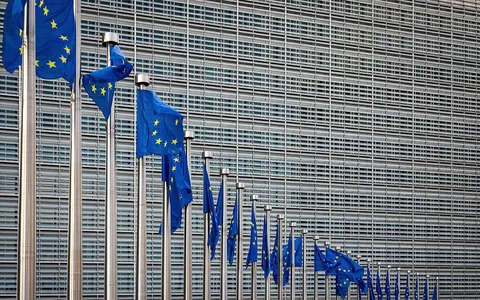
On 29 October 2024 the European Commission imposed definitive countervailing duties, for five years, on electric cars made in China: from 7.8% to 35.3%, depending on the manufacturer.
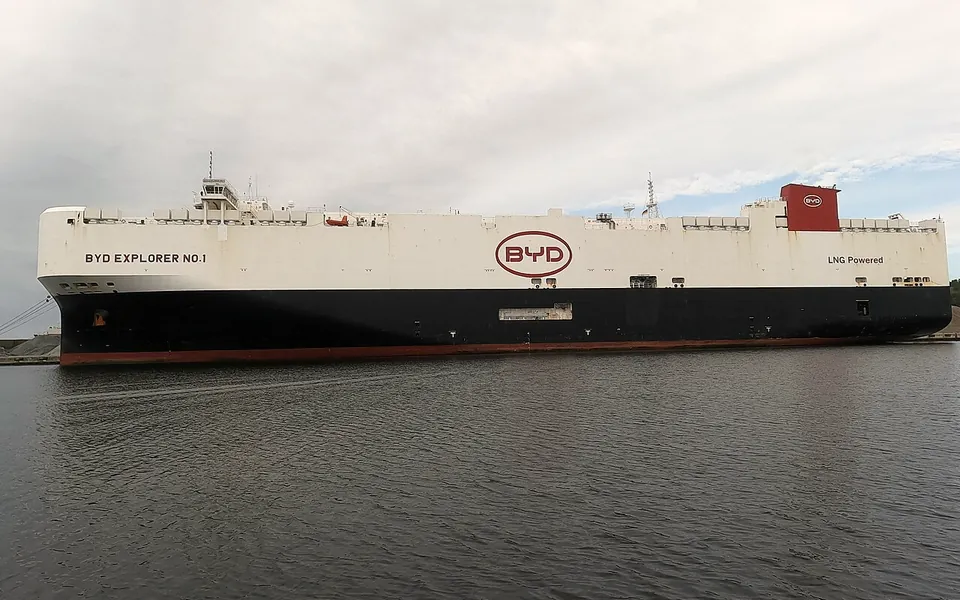
On 29 October 2024 the European Commission concluded its anti-subsidy investigation into battery electric vehicles from China and imposed definitive countervailing duties for five years. Implementing Regulation (EU) 2024/2754 applies from 30 October. Although they are commonly called tariffs, technically they are anti-subsidy duties, which offset the public support that, in the Commission’s view, Chinese manufacturers receive.
What applies to each manufacturer
The rates vary by producer: 17.0% for BYD, 18.8% for Geely and 35.3% for SAIC, the three companies in the investigation’s sample. The other Chinese companies that cooperated will pay 20.7%; Tesla, which asked for an individual examination, 7.8%; and those that did not cooperate, 35.3%. These duties come on top of the general 10% tariff already paid by cars imported into the EU. The provisional duties imposed on 4 July will not be collected.
The investigation was announced in September 2023, in Ursula von der Leyen’s State of the Union speech, and concluded that the electric-car value chain in China benefits from unfair subsidies that threaten to cause economic injury to European producers.
Exporters that cooperated can ask for an accelerated review to obtain an individual rate, and importers can ask for a refund if they show that their manufacturer is not subsidised or that its subsidy margin is lower than the duty paid. The measures expire after five years unless a review is opened beforehand.
The vote and the reactions
Member states backed the Commission’s proposal in a vote on 4 October: ten countries in favour, five against, including Germany, and twelve abstentions, among them Spain. The opposition did not reach the qualified majority needed to block the measure. The economy minister, Carlos Cuerpo, explained that the abstention was consistent with the search for a negotiated solution with China; before the vote, Spain had written to Trade Commissioner Valdis Dombrovskis asking him to exhaust all options.
China’s Ministry of Commerce said on 30 October that it does not accept the EU’s decision, called it a protectionist move, advocated dialogue and consultation, and announced that it would take the necessary measures to protect its companies’ interests. Beijing had also opened investigations into European products, including one into pork, which particularly affects Spain, and another into dairy. The Commission, for its part, said it remains open to an alternative solution compatible with World Trade Organization rules and to negotiating price undertakings with individual exporters.
What it means for business
For European importers and dealers of the brands concerned, the duties make these models more expensive to bring in. The vehicles covered include the Cupra Tavascan, a model designed in Martorell and built in China. Manufacturers can respond by raising prices, cutting margins, producing in Europe or taking up the price undertakings the Commission allows.
For a company that imports electric vehicles from China, is about to renew its fleet or exports to China products like those Beijing is investigating, it is worth checking the origin of what it buys and the duties that apply, watching for possible price undertakings and following China’s response measures. Ask your customs and tax adviser how it affects you.
In international trade, the small print of a tariff decides who pays and how much.
This article is general information. It is not legal, tax or investment advice, and it does not take anyone’s particular circumstances into account.