On 18 May 2022 the European Commission presented REPowerEU, its plan to end dependence on Russian fossil fuels through savings, diversification and renewables, with €210 billion of additional investment.
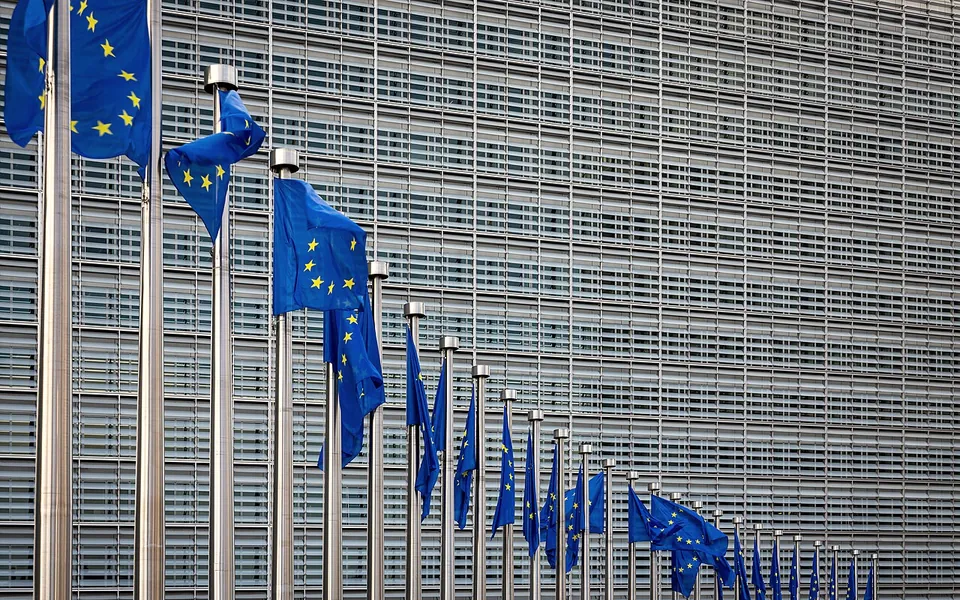
On 18 May 2022 the European Commission presented REPowerEU, its response to the energy crisis caused by the invasion of Ukraine. The plan builds on the outline Brussels put forward on 8 March and which European leaders endorsed at the summit of 24 and 25 March. The Commission argues there is a double urgency: to end dependence on Russian fossil fuels, which Moscow uses as an economic and political weapon and which, by its calculations, cost European taxpayers nearly €100 billion a year, and to tackle the climate crisis.
The three pillars
The first is saving. The Commission proposes raising the binding energy efficiency target in the “Fit for 55” package from 9% to 13% and publishes a communication on short-term changes in behaviour which, by its calculations, could cut gas and oil demand by 5%. It also encourages member states to use tax incentives, such as reduced VAT on efficient heating systems, insulation and appliances.
The second is diversifying. The EU says it has secured record imports of liquefied natural gas and more pipeline gas, and is creating an Energy Platform for voluntary joint purchases of gas, LNG and hydrogen. The Commission will study a joint purchasing mechanism that would negotiate on behalf of participating states, and legislative measures to oblige them to diversify supply. It also estimates that about €10 billion of additional gas infrastructure is enough to make up for the loss of Russian gas.
The third is speeding up renewables. It proposes raising the 2030 target from 40% to 45% and an EU Solar Strategy to double solar photovoltaic capacity by 2025 and reach 600 GW by 2030, with a phased-in obligation to install panels on new public, commercial and residential buildings. It proposes doubling the rate at which heat pumps are installed, setting for 2030 a production of 10 million tonnes of renewable hydrogen in the EU and another 10 million of imports, and raising biomethane production to 35 billion cubic metres. To shorten approval times, it recommends creating dedicated areas for renewables with simpler permits in areas of lower environmental risk and recognising renewables as an overriding public interest.
What it costs and how it will be financed
Meeting the objectives requires, according to the Commission, €210 billion of additional investment up to 2027, to be provided by the public and private sectors at national, cross-border and EU level. Ceasing to import Russian fuels would save, by its calculations, almost €100 billion a year. The Recovery and Resilience Facility, the instrument of the Next Generation EU funds, is at the heart of the plan: €225 billion is already available in loans and the Commission proposes adding €20 billion in grants from the sale of carbon-market emission allowances.
The Commission proposes that member states include dedicated REPowerEU chapters in their recovery plans, for which it proposes amending the Facility’s regulation; in Spain, these funds are managed through the Recovery, Transformation and Resilience Plan. A further €26.9 billion from cohesion funds and €7.5 billion from the common agricultural policy could be added through voluntary transfers.
What is pending and what to review
These are still proposals. The renewables and efficiency targets require changes to the “Fit for 55” legislation, which needs agreement between the European Parliament and the member states, and the Commission has left measures such as joint gas purchasing and the obligation to diversify supply under study. The new financing also depends on approval of the amendment to the Facility.
For businesses and families with significant energy use, the direction is clear although the details are still to come: more photovoltaics and self-consumption in buildings, more heat pumps and more long-term power purchase agreements (PPAs), on which the Commission is publishing guidance. It is worth reviewing how much energy the business or home uses, under which contracts and at what price; which efficiency or self-consumption projects would be feasible and which European funding calls could support them. Ask your adviser how it applies to your case.
The plan sets the EU’s energy course to 2030; the details will arrive through legislation and funding calls.
This article is general information. It is not legal, tax or investment advice, and it does not take anyone’s particular circumstances into account.