On 28 May 2024 Spain, Ireland and Norway formally recognised the State of Palestine. What recognition means legally, what the Spanish declaration says and how the parties have reacted.
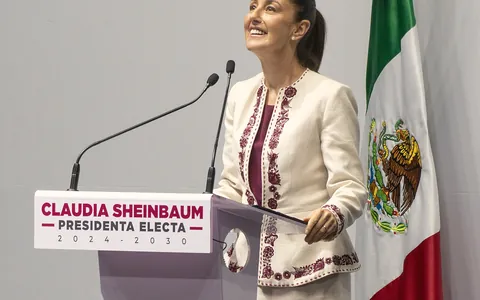
On 28 May 2024 Spain’s Council of Ministers approved the Declaration of recognition by Spain of the State of Palestine. Ireland and Norway took the same decision that day, in coordination with Spain. Prime Minister Pedro Sánchez had announced the step on 22 May in the Congress of Deputies. This note summarises what recognition of this kind means legally and what has been said officially; it does not assess the decision.
What recognising a state means
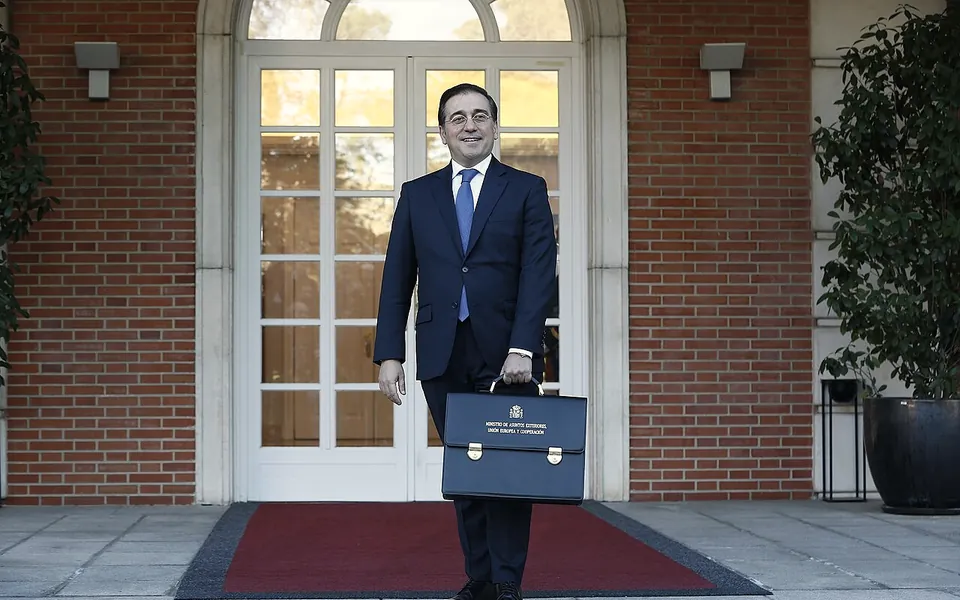
In international law, recognising a state is a political and legal act by which a government declares that it regards another entity as a state and deals with it as such. Each country decides freely whom to recognise; there is no world body that imposes it. According to the Spanish foreign minister, José Manuel Albares, recognition makes Palestine a subject of international law for all purposes as far as Spain is concerned, and its effects are immediate. Spain already had diplomatic relations with Palestine, which has an ambassador in Madrid, and it did not announce a new embassy.
Recognising a state is not the same as admitting it to the UN. Full membership requires a recommendation from the Security Council and approval by the General Assembly. Palestine has been a non-member observer state since 2012. On 18 April 2024 the United States voted against a Security Council resolution recommending its admission, and on 10 May the General Assembly adopted, by 143 votes to 9 with 25 abstentions, a resolution stating that Palestine meets the requirements and asking the Council to reconsider.
What the Spanish declaration says
According to the text released by La Moncloa, Spain recognises a viable Palestinian state, with the West Bank and Gaza linked by a corridor, East Jerusalem as its capital and under the legitimate government of the Palestinian National Authority. The declaration adds that Spain does not define other countries’ borders, that it aligns itself with Security Council resolutions 242 and 338 and with the traditional position of the European Union, and that it will not recognise changes to the 1967 borders that the parties have not agreed.
The text expresses a frontal rejection of Hamas, which it describes as opposed to the two-state solution, and recalls the condemnation of the attacks of 7 October. Sánchez said the decision is not taken against anyone and certainly not against Israel, and set out three priorities: a permanent ceasefire in Gaza, with humanitarian aid and the immediate release of the Israeli hostages; support for the reform of the Palestinian Authority; and work with Arab partners towards an international peace conference.
The reactions
Israel recalled its ambassadors to Spain, Ireland and Norway for consultations. Its foreign minister, Israel Katz, criticised the decision, which his government regards as a reward to Hamas for the attacks of 7 October. The Palestinian Authority said the recognitions are in line with international law, and Hamas called them an important step towards an independent state. France, for its part, said recognition is not taboo but that the conditions were not yet in place for it to have a real effect.
According to Albares, 143 states recognised Palestine before these three, which brings the total to 146; other sources give slightly different figures. The European Union has no common position: some of its members already recognised Palestine and others do not.
For businesses and individuals, recognition is an act of foreign policy and does not in itself change the rules on trade, customs or sanctions, which depend largely on the European Union. Anyone with activities, suppliers or customers in the region should follow the Foreign Ministry’s travel advice and notices. Ask your adviser how it applies to your case.
Recognising a state is each government’s decision; admitting it to the UN is a different one, which rests with the Security Council and the General Assembly.
This article is general information. It is not legal, tax or investment advice, and it does not take anyone’s particular circumstances into account.