Olaf Scholz’s SPD came first in the 26 September 2021 election with 25.7% in the provisional result. What the figures say and how a government will be formed after Merkel.
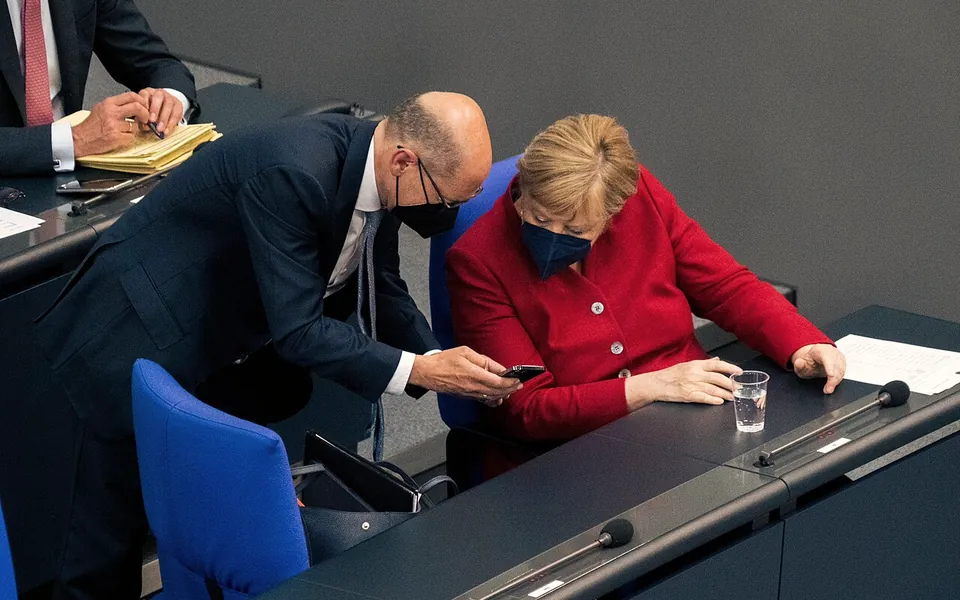
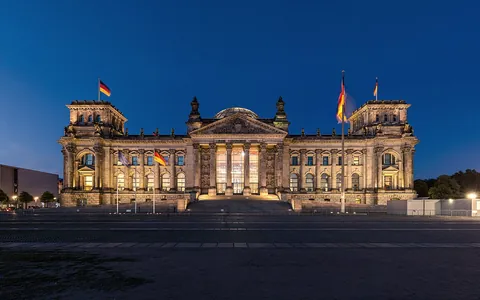
On 26 September 2021 Germany elected the 20th Bundestag, the chamber that will elect Angela Merkel’s successor; she did not stand after almost sixteen years as chancellor. The Bundeswahlleiter, the official in charge of the federal count, published the provisional result on 27 September. This note reports those figures, which may change slightly in the final count.
What the figures say
According to the provisional result, the SPD won 25.7% of the list votes and 206 seats; the Union (CDU and CSU) 24.1% and 196; the Greens 14.8% and 118; the FDP 11.5% and 92; and Alternative for Germany (AfD) 10.3% and 83. The Left (Die Linke) took 4.9%, below the 5% threshold, but kept 39 seats because it won three direct constituencies, and the Danish minority party (SSW) won one. In all, the Bundestag would have 735 members, the largest in its history because of compensatory seats (709 in 2017), and a majority is 368. Turnout was 76.6%, against 76.2% in 2017.
Compared with 2017, the SPD rose 5.2 points from 20.5%; the Union fell almost nine, from 32.9%, and recorded its worst-ever result in a federal election; and the Greens had their best ever, although below what they had hoped for.
Who can govern
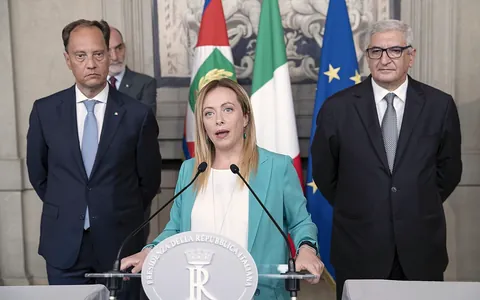
Both Olaf Scholz, the SPD candidate, vice-chancellor and finance minister, and Armin Laschet, the Union’s candidate, claimed the right to try to form a government. Scholz said voters wanted a change of government and that the strengthening of three parties (SPD, Greens and FDP) was a clear mandate. Laschet argued for trying despite his bloc’s poor result. Both want a government in place before Christmas. Annalena Baerbock, the Greens’ candidate, called for a fresh start without naming a preferred partner.
The arithmetic forces a deal. On the provisional results, a coalition of SPD, Greens and FDP —the “traffic light”— would have 416 seats, and one of the Union, Greens and FDP —“Jamaica”— 406. The SPD and Greens together would have 324, well short of a majority. A grand coalition of SPD and Union would have 402, but neither wants to repeat it, and no party is willing to work with the AfD. The Greens and the FDP, who will be decisive, disagree on taxes and public investment in climate; their leader, Christian Lindner, suggested talking to each other first and prefers Jamaica, without ruling out the traffic light.
Timing and what to watch
The constitution says the new Bundestag must meet no later than thirty days after the election, that is, before 26 October, and that the chancellor is elected by a majority of its members. Until a successor is appointed, Merkel will stay at the head of the government in a caretaker capacity. The law sets no deadline for agreeing a coalition: in 2017, almost six months passed between the election and Merkel’s re-election on 14 March 2018.
For businesses and families, the question is what programme will come out of the deal. The SPD had proposed raising the minimum wage to €12 an hour and higher taxes on high earners, while the Greens and the FDP differ on taxes and climate spending. Until there is a coalition agreement, German economic policy does not change; Germany is the euro area’s largest economy and will hold the G7 presidency in 2022.
The result is clear; the government is not yet.
This article is general information. It is not legal, tax or investment advice, and it does not take anyone’s particular circumstances into account.