On 24 September 2021 the People’s Bank of China published a ten-agency circular declaring financial activities with cryptocurrencies illegal. What it says, what it bans and what does not change outside China.
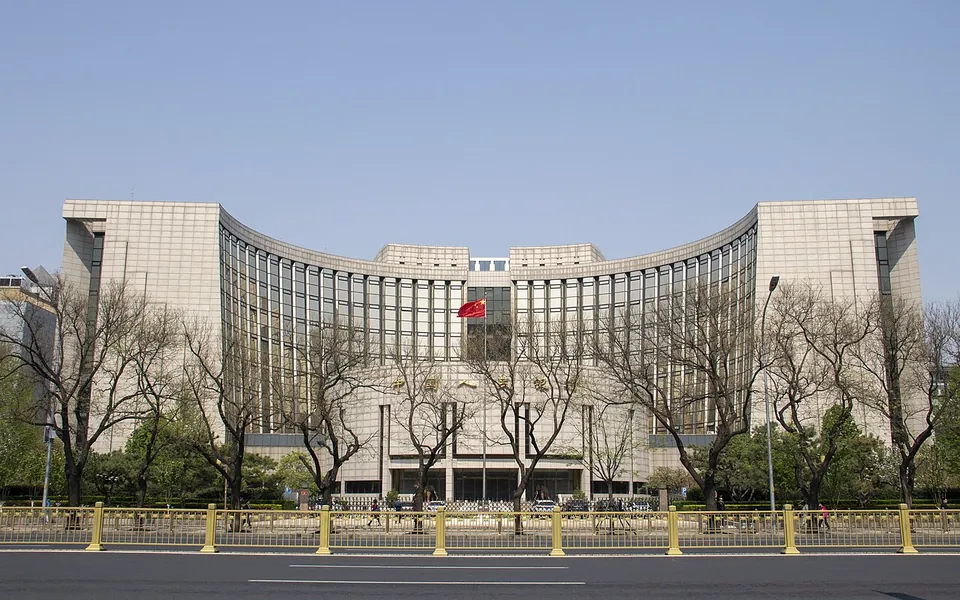
On 24 September 2021 the People’s Bank of China (PBoC) published on its website the circular on further preventing and dealing with the risks of virtual-currency trading and speculation. It is dated 15 September and is signed by ten agencies: the PBoC itself, the Cyberspace Administration, the Supreme People’s Court, the Supreme People’s Procuratorate, the Ministry of Industry and Information Technology, the Ministry of Public Security, the State Administration for Market Regulation, the banking and insurance and the securities regulators, and the State Administration of Foreign Exchange.
What the circular says
First, it defines the nature of cryptocurrencies: bitcoin, ether and tether are not legal tender, are not issued by any monetary authority and must not circulate as money. Second, it declares illegal financial activities, strictly banned, exchange between virtual currencies and official currency or between themselves, acting as a central counterparty, intermediation and pricing services, raising funds by issuing tokens and derivatives on them. Where they amount to a crime, they will be prosecuted.
Third, it reaches foreign platforms: those serving residents of mainland China over the internet are also engaged in illegal financial activity, and their staff in the country, and anyone who provides them with marketing, payment settlement or technical support knowingly or when they should have known, will be held to account. Fourth, for investors: investments in cryptocurrencies or their derivatives that violate public order and good morals are void, and losses are borne by the investor.
Banks and payment institutions may not open accounts, move funds or clear transactions for these activities, accept virtual currencies as collateral or offer insurance linked to them. Internet companies may not provide premises, advertising or traffic, and the authorities will close websites and apps. No company may include terms such as “cryptocurrency” or “virtual asset” in its name or business scope. Responsibility lies with provincial governments, and the PBoC coordinates the other agencies.
What came before and what remains to be clarified
It is not the first restriction. In 2017 China banned initial coin offerings (ICOs); in May 2021 three financial-industry associations, including the banks’ and the payments associations, reiterated that institutions may not provide services involving cryptocurrencies; and in June bitcoin mining was driven out of several provinces. On the same 24 September a circular from the National Development and Reform Commission on mining was also circulated, banning any fiscal, financial or electricity support and requiring those still operating to withdraw within a deadline.
According to the published text, the circular focuses on trading, intermediation, issuance and services; it does not expressly mention the mere holding of cryptocurrencies by individuals.
What it means outside China
The circular applies in mainland China and does not change the rules in Spain or the European Union. In a joint statement of 9 February 2021, the Banco de España and the CNMV reminded the public that cryptocurrencies are not legal means of payment, are not backed by a central bank or covered by the Deposit Guarantee Fund or the Investors’ Guarantee Fund, that their custody is neither regulated nor supervised, and that they are a high-risk investment that can even mean a total loss. They added that the European Union was still negotiating a regulation (MiCA) to regulate their issuance and providers.
It is worth knowing which jurisdiction the platform you use operates in, who holds the assets and what its terms say about regulatory changes. Ask your adviser how this applies to your case.
China has shut the door on cryptocurrencies; Europe is still negotiating its rules.
This article is general information. It is not legal, tax or investment advice, and it does not take anyone’s particular circumstances into account.