On 6 November 2024 Chancellor Olaf Scholz dismissed Finance Minister Christian Lindner and the three-party coalition broke up. How a snap election comes about in Germany and what is at stake.
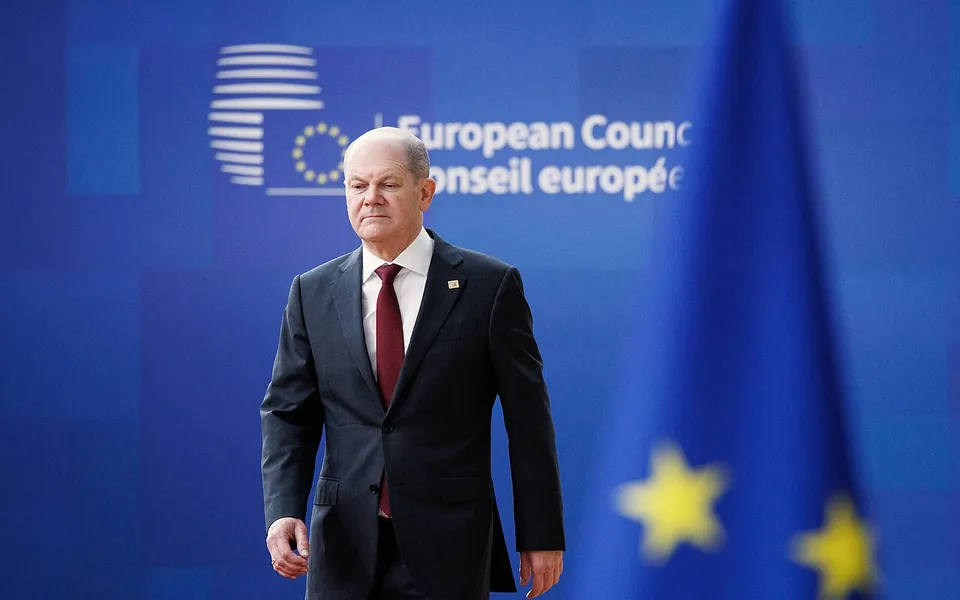
On 6 November 2024, German Chancellor Olaf Scholz dismissed Finance Minister Christian Lindner, leader of the liberal FDP, and brought to an end the three-party coalition of Social Democrats (SPD), Greens and liberals that had governed the country since 2021. Without the liberals, the government of Social Democrats and Greens no longer has a majority in the Bundestag. According to polls cited in the press, the CDU/CSU led voting intentions and the FDP stood below the 5% needed to enter the Bundestag.
What happened
The disagreement centred on how to revive the German economy and on public finances. According to the AP news agency, Lindner rejected tax increases and changes to the debt limits, while the Social Democrats and Greens favoured greater public investment. Scholz said Lindner had broken his trust too often and that it is not possible to govern seriously like this. Lindner, for his part, blamed Scholz for inaction on the economy. The chancellor said he would seek talks with the leader of the conservative opposition, Friedrich Merz (CDU/CSU), on strengthening the economy and defence.
The other three FDP ministers announced their departure from the government: Marco Buschmann (Justice), Bettina Stark-Watzinger (Education and Research) and Volker Wissing (Transport). Wissing, however, left the party and stayed in government as an independent. Jörg Kukies, Scholz’s economic adviser, took over at Finance.
How a snap election comes about
In Germany the Bundestag cannot dissolve itself. To bring forward elections, the chancellor must put a motion of confidence (Article 68 of the Basic Law). If he does not obtain a majority of the members, the federal president, on the chancellor’s proposal, may dissolve the Bundestag within 21 days, and elections must be held within the following 60 days (Article 39). The right of dissolution lapses if, beforehand, the Bundestag elects another chancellor by majority.
Scholz announced on 6 November that he would seek the Bundestag’s confidence on 15 January, which would allow elections in late March, and he wanted to pass before Christmas laws that could not be delayed, such as stabilising pensions and aid to industry. Merz demanded that the vote be held the following week and that the elections take place in the second half of January. The regular elections were due in September 2025. Until the vote, the government would govern as a minority.
Germany is the second market for Spanish goods exports, at around 10% of the total in 2023 according to the World Bank, and its economy is stagnating: according to the statistics office Destatis, GDP fell 0.3% in 2023. Decisions on budgets, public investment and aid to industry can influence growth in the euro area.
For anyone with exposure to German or European assets, or who sells to German customers, it is worth following the election calendar, the parties’ positions on the debt limit and budgets, and the decisions of the European Central Bank. Ask your adviser how this applies to you.
In a parliamentary democracy, a coalition lasts as long as the agreement that sustains it.
This article is general information. It is not legal, tax or investment advice, and it does not take anyone’s particular circumstances into account.