Geert Wilders’s PVV won the Dutch election of 22 November 2023 with 37 of the 150 seats, according to the provisional count. What the vote showed and what is still needed to form a government.
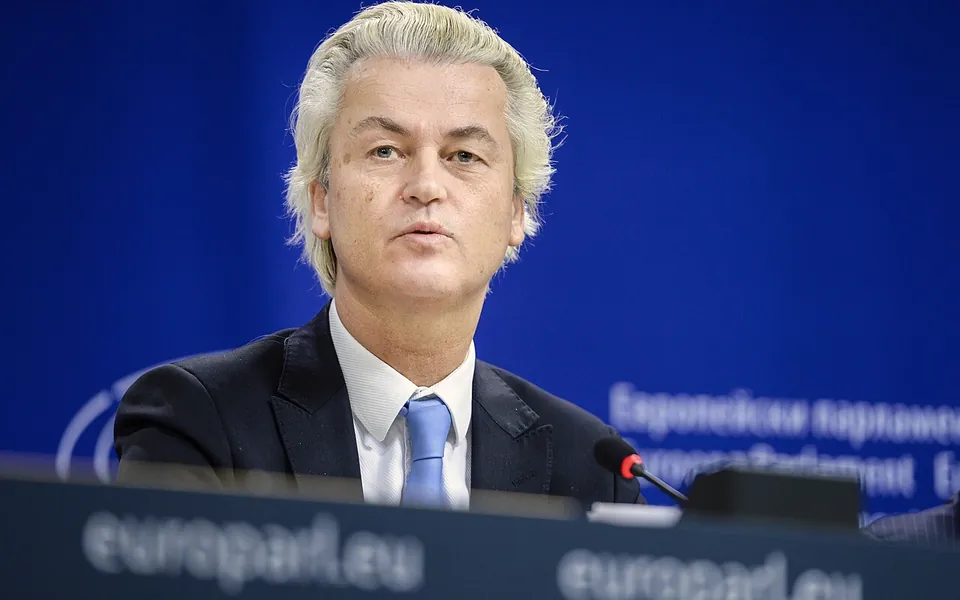
The Netherlands voted on Wednesday 22 November 2023 to renew the 150-seat House of Representatives (Tweede Kamer). Turnout was around 77.7%. Geert Wilders’s Party for Freedom (PVV), which advocates stricter limits on immigration, was the most-voted party. These are provisional results: the Electoral Council (Kiesraad) will determine the official result on 1 December.
The result
The PVV went from 17 to 37 seats. GroenLinks-PvdA, the joint list of Greens and Labour led by Frans Timmermans, came second with 25. The VVD, led by Dilan Yeşilgöz, was third with 24, ten fewer than in 2021. The New Social Contract (NSC), a new party led by Pieter Omtzigt, debuted with 20. Next come D66 (9), BBB (7) and CDA (5), and several smaller parties, making up the 150. Among the big losers were D66, which fell from 24 seats to 9, and the CDA, down from 15 to 5. Turnout was slightly lower than in 2021 (78.7%).
The PVV’s victory follows years in which other parties ruled out governing with Wilders. Before the vote he had said he wanted to join the next government and had shown willingness to soften his positions against Islam. On election night he promised to govern for all Dutch people within the legal and constitutional framework and asked other parties to join him.
What remains: forming a government
Governing requires a majority of 76 seats, and no party or pair of parties reaches it. Added together, the PVV, VVD and NSC would have 81, but their starting positions differ. Timmermans said GroenLinks-PvdA would not join a coalition with the PVV. Omtzigt, who had said a government with Wilders was not possible, said the NSC was willing to be closely involved in forming the government. Yeşilgöz said the VVD would consider its options, and BBB leader Caroline van der Plas said she was confident her party would join the government.
The process is run by the House itself, with no legal deadline. After the election a scout (verkenner) is appointed: on 24 November the PVV senator Gom van Strien, proposed by Wilders, was named, and on Monday 27 he resigned after press reports linked him to an alleged fraud case at his former employer, which he denied. The House then names an informateur, who sounds out coalitions and drafts the agreement, and a formateur, normally the future prime minister, who chooses the ministers. The last formation, in 2021–22, took 299 days, the longest to date.
What changes and what does not
Until there is a government and a coalition agreement, no rule changes: the Netherlands’ current laws and treaties remain in force. The programme that is eventually applied will be a pact between several parties, not the PVV’s alone, which proposes, among other things, stricter limits on immigration and lower taxes. The Netherlands is a founding member of the EU and of the euro area, and its government takes part in Council decisions, in which some matters, such as taxation, require unanimity.
If you have companies, investments or contracts in the Netherlands, it is worth following the coalition agreement and the tax measures it contains before drawing conclusions. Ask your adviser how they might affect you.
The ballot box has taken the first step; the government programme, still to be written, will be what counts.
This article is general information. It is not legal, tax or investment advice, and it does not take anyone’s particular circumstances into account.