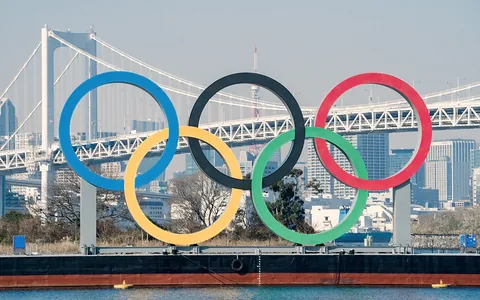
The Tokyo Olympics closed on 8 August 2021, a year late and held without spectators because of the pandemic. The sporting balance sheet, Spain’s medals and the announced cost.
The Tokyo Olympics closed on Sunday 8 August 2021, having opened on 23 July. It was the second time the city had hosted a Summer Games, after 1964. They had been scheduled for the summer of 2020 and were postponed by a year because of the pandemic, a decision announced on 24 March 2020 in a joint statement by the IOC, the organising committee and the then prime minister, Shinzo Abe; they kept the name Tokyo 2020 even though they were held in 2021.
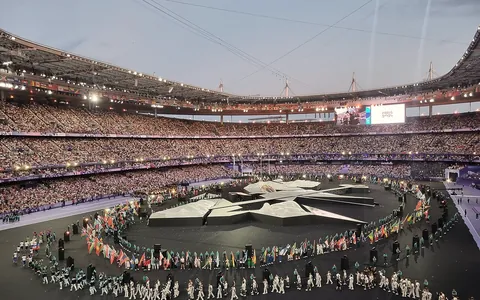
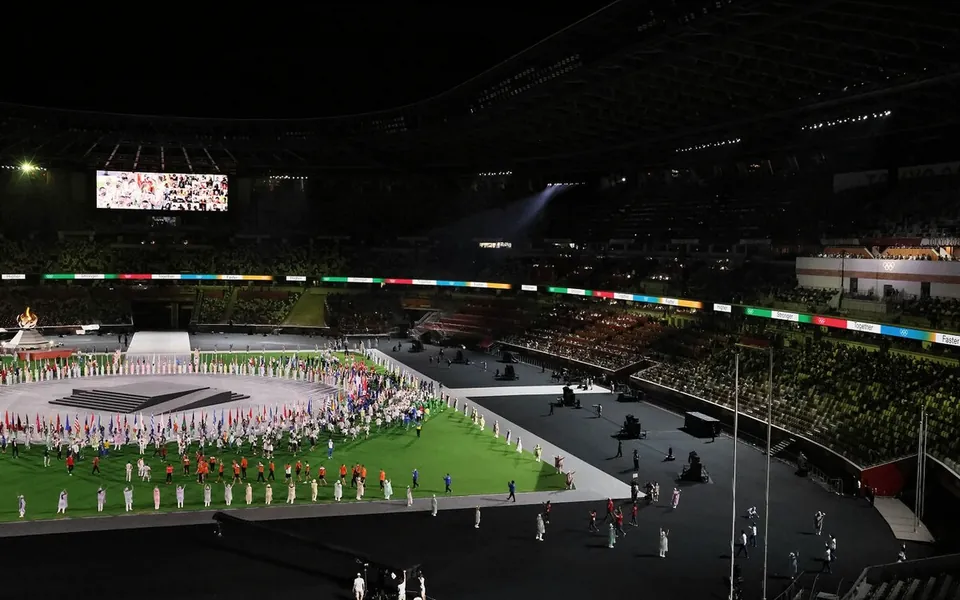
The closing ceremony took place in the 68,000-seat Olympic Stadium with no spectators, as Japan was in the middle of a record wave of infections. International Olympic Committee (IOC) president Thomas Bach called them Games of hope, solidarity and peace.
The sporting balance sheet
The United States finished first with 39 golds, 41 silvers and 33 bronzes, 113 medals in all. China was second, with 38 golds and 88 medals, and Japan, the host, third, with 27 golds and 58 medals, a record for its Olympic delegation. Great Britain (22 golds), the Russian Olympic Committee team (20) and Australia (17) followed.
Spain finished 22nd with 17 medals: 3 gold, 8 silver and 6 bronze, well short of the 22 of Barcelona 1992. The first gold came in mixed trap shooting, with Alberto Fernández and Fátima Gálvez, who beat San Marino in the final. The other two went to Sandra Sánchez (women’s karate kata) and Alberto Ginés (sport climbing). The silvers included men’s football, women’s water polo, the K-4 500 m canoe, Maialen Chourraut, Ray Zapata in gymnastics, Teresa Portela, Adriana Cerezo and Damián Quintero; the bronzes included men’s handball, Pablo Carreño in tennis, Ana Peleteiro in the triple jump and David Valero in mountain biking.
The Catalan press counted five medals with Catalan involvement: three silvers (women’s water polo, which lost the final to the United States; men’s football, which fell to Brazil in extra time; and the K-4 500 m, with Saúl Craviotto) and two bronzes (Jordi Xammar in sailing, 470 class, and men’s handball).
No crowds, and a high cost
On 8 July, with Tokyo about to enter its fourth Covid state of emergency (12 July to 22 August), the Japanese government, the organising committee and the IOC decided there would be no spectators at any venue in the capital; overseas fans had already been barred earlier. With no crowds there was no ticket revenue, one of the usual pillars of Olympic funding alongside sponsorship and television rights.
The budget the organisers announced in December 2020 was ¥1.64 trillion, about $15.9 billion at the exchange rate of the time, ¥294 billion more than a year earlier because of the postponement and Covid measures. The final accounts were not yet known, and the figure may change when the organisers publish them.
What comes next
The next Games will be the Beijing Winter Games in February 2022 and the Paris Summer Games in 2024; at the closing ceremony the Olympic flag was handed over to the French city. Before that, Tokyo will host the Paralympic Games, from 24 August to 5 September.
Tokyo 2020 goes down in history as the pandemic Games: a year late and without crowds.
This article is general information. It is not legal, tax or investment advice, and it does not take anyone’s particular circumstances into account.