The elections of 23–26 May 2019 leave a European Parliament elected with the highest turnout since 1994 and without a majority for the EPP and the Socialists and Democrats together. What it decides that matters to businesses.
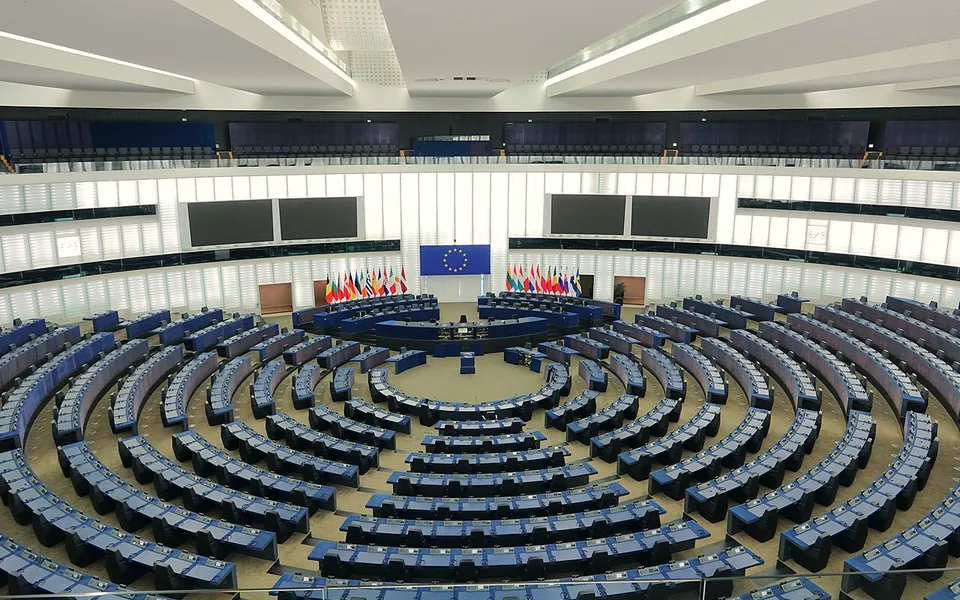
Between 23 and 26 May 2019, citizens of the 28 member states elected the 751 members of the European Parliament for the next five years. The seat figures that follow are provisional estimates and may change slightly when the official results are declared. The United Kingdom, whose departure is still postponed until 31 October, also voted and elected 73 of those MEPs.
The results
Turnout was around 51%, the highest since 1994 and about eight points above the 42.6% of 2014, after falling at every election since 1979.
The European People’s Party (EPP) remains the largest group, with around 180 seats, and the Socialists and Democrats (S&D) the second, with around 150; both lose more than 30 seats compared with 2014. Together they hold about 330, against the 376 needed for an absolute majority, and it is the first time since the first direct elections, in 1979, that they have fallen short. The liberals (a little over 100 seats), the Greens (around 70) and the group that includes Italy’s League and France’s National Rally (about 58) gain ground.
In Spain, on Sunday 26, the same day as the municipal elections and the elections in several autonomous communities, 60.7% of the electorate voted, about ten points above the European average. Of the 54 seats allocated, the PSOE won 20; the PP, 12; Ciudadanos, 7; Unidas Podemos, 6; Vox and Ahora Repúblicas, 3 each; Lliures per Europa, 2; and the Coalition for a Europe of Solidarity (CEUS), 1.
What the Parliament decides
The European Parliament does not govern, but it shares with the Council, which represents the member states, the approval of most European legislation: the single market, data protection, consumer law, financial rules, transport, energy and climate. These are the rules that later apply to businesses, either as directives that each country transposes or as regulations that apply directly. In the term now ending it passed, for example, the directives on copyright and on the protection of whistleblowers.
Together with the Council it also approves the Union’s budget — the 2021–2027 framework, which the Commission proposed in 2018, is now in the hands of the new Parliament — and it must give its consent to trade agreements. On tax, by contrast, it is only consulted: taxes are decided in the Council by unanimity.
It also elects the President of the European Commission, on a proposal from the European Council and by a majority of its members, and approves the College of Commissioners as a whole. With a more fragmented Parliament, that majority of 376 votes will require more than two groups to come together, which may lengthen the negotiations.
What to watch
The new Parliament will be constituted in July, and the term of the current Commission ends on 31 October. Until then, the negotiation over who will fill the main posts will set the timetable, and pending files may be taken up again with a different balance of forces. It will also be worth seeing which groups back the candidate to lead the Commission and what priorities they set for the next five years. For a business the effect will not be immediate: European rules take years to reach practice, and what is useful is to know which ones affect your sector and at what stage they are.
The elections change the arithmetic of the Parliament; the rules that affect your business will keep changing step by step.
This article is general information. It is not legal, tax or investment advice, and it does not take anyone’s particular circumstances into account.