Brent has dropped from $86 to about $58 a barrel between 4 October and 29 November 2018, ahead of OPEC’s meeting on 6 December. What explains it and what it means in Spain.
Brent crude, the benchmark for Europe, traded at $86.07 a barrel on the spot market on 4 October 2018, close to its four-year high, according to the US Energy Information Administration (EIA). On 29 November it closed at $58.29. That is almost $28 less in under two months, a fall of about a third, and leaves the barrel at its lowest level since October 2017.
What explains the fall
The first cause is political. US sanctions on Iranian crude exports took effect on 5 November, and in October the market had priced in a shortfall of part of that oil. But Washington granted temporary waivers to eight buying countries, after talk of taking Iranian sales to zero, and the fear of scarcity faded.
The second is supply. The EIA estimates that US crude production set a monthly record of 11.3 million barrels a day in August and ran at about 11.4 million in October; Saudi Arabia and Russia pumped close to their all-time highs. By its estimates, global oil inventories grew by about 2 million barrels a day in October, and US commercial crude stocks rose by 22 million barrels, the largest monthly increase since January 2017.
The third is demand. Leading indicators in several countries have weakened, China’s growth came in below expectations and the depreciation of emerging-market currencies makes the crude they buy more expensive. In its November report, the EIA cut its forecast for growth in world consumption in 2019 by 100,000 barrels a day, to 1.4 million.
The OPEC meeting
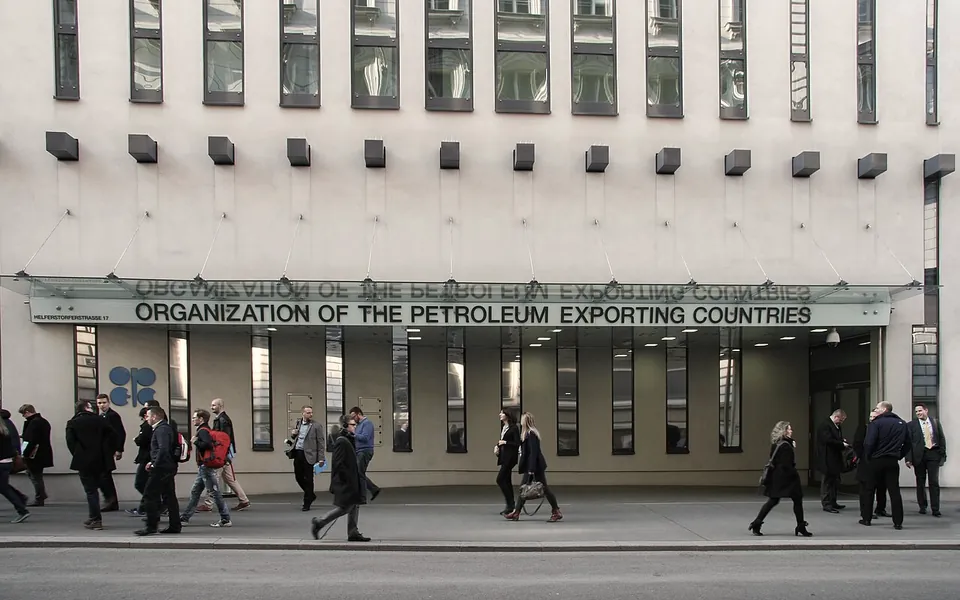
The Organization of the Petroleum Exporting Countries (OPEC) and its allies, with Russia at their head, meet in Vienna on 6 and 7 December. On 12 November, Saudi Energy Minister Khalid al-Falih said that the technical analysis by the monitoring committee, which met in Abu Dhabi the day before, showed that supply needed to fall, from October levels, by close to a million barrels a day. Russia called for caution over hasty decisions, and US President Donald Trump warned against a cut. Nothing is decided before the meeting: the size of any cut, how it would be shared among countries and Russia’s position are the unknowns the market is watching.
What it means in Spain and what to review
Spain’s National Statistics Institute (INE) published its flash estimate of consumer prices on 29 November: annual inflation in November would be 1.7%, six tenths lower than October’s 2.3%. The INE highlights in this result the fall in electricity and fuel prices, diesel and petrol, compared with the rise they recorded in 2017. It is a provisional figure, pending the final data.
What reaches the pump is another matter. A large part of the price of petrol and diesel is tax, which does not depend on crude, and oil is paid for in dollars, so the euro–dollar exchange rate also matters. For businesses in an importing country such as Spain, a cheaper barrel lowers the cost of transport, logistics, aviation and industries that use oil derivatives; for producer companies and countries, it lowers revenue.
Businesses with heavy fuel consumption can review how their supply and transport contracts are linked to the oil price, and whether their hedges are based on a price level different from today’s. Families will notice the change in the cost of filling the tank, though only in part.
In two months the mood has gone from fear of scarcity to concern about oversupply; the Vienna meeting will show whether OPEC tries to halt the fall.
This article is general information. It is not legal, tax or investment advice, and it does not take anyone’s particular circumstances into account.