On 6 September 2024 the official gazette published the appointment of José Luis Escrivá, until then a minister, as Governor of the Bank of Spain. How the governor is chosen, what the bank does and the debate it opened.
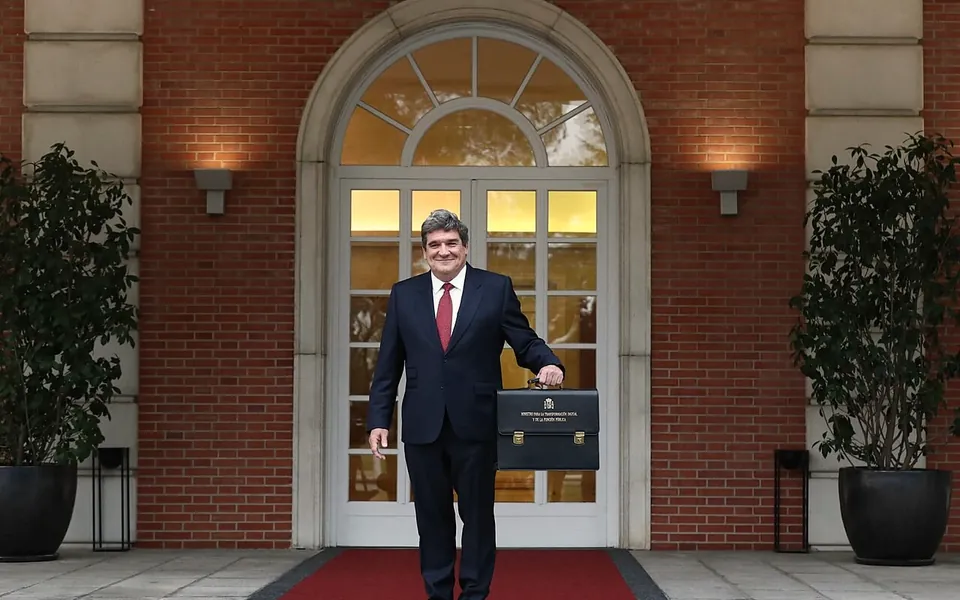
On 6 September 2024 the Official State Gazette (BOE) published Royal Decree 891/2024, of 5 September, appointing José Luis Escrivá Belmonte Governor of the Bank of Spain. Until then he had been Minister for Digital Transformation and the Civil Service. The same day he took the oath of office before the king at the Zarzuela Palace and handed his ministry over to Óscar López.
His taking up of the post was brought forward so that he could attend the European Central Bank (ECB) meeting on 12 September in Frankfurt. Escrivá succeeds Pablo Hernández de Cos, whose term had expired on 11 June; since then the deputy governor, Margarita Delgado, had been running the institution in an acting capacity.
How the governor is appointed
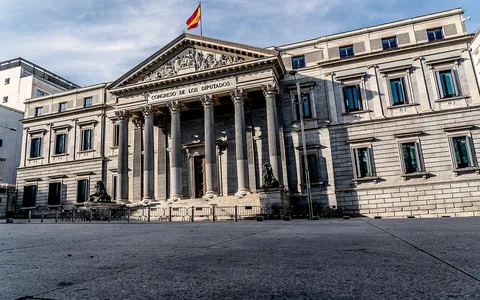
The 1994 Law on the Autonomy of the Bank of Spain provides that the governor is appointed by the king on the proposal of the prime minister, from among Spanish nationals of recognised competence in monetary or banking matters. Before the appointment, the economy minister must appear before the relevant parliamentary committee to report on the candidate; the law does not provide for a vote. The minister, Carlos Cuerpo, did so on 4 September, and the royal decree states that it is issued “following a report to the Congress of Deputies”.
The term lasts six years and cannot be renewed. The law also lists the grounds for removal: permanent incapacity, serious breach of the duties of the post, a conflict of interests arising during the term, or prosecution for a deliberate offence. And in the tasks it carries out as part of the European System of Central Banks, neither the government nor any other national or EU body may give it instructions.
What the Bank of Spain does
The Bank of Spain is Spain’s central bank and part of the Eurosystem. Its governor is a member of the ECB’s Governing Council, which sets interest rates for the euro area; voting rights rotate among the governors, but all of them take part in the meetings.
It also supervises the solvency of banks and other financial institutions, safeguards the stability of the financial system, manages foreign-currency reserves, advises the government through reports and studies and compiles statistics. Every month it publishes, and the BOE reproduces, the official reference rates for the mortgage market, such as the 12-month Euribor, the main reference for mortgage loans in Spain.
The debate over independence
The government put Escrivá’s name to the People’s Party (PP) on 11 July, as part of negotiations to renew the Bank of Spain’s leadership, and no agreement was reached. By custom, though not by law, the government chooses the governor and the main opposition party proposes the deputy governor. The PP rejected the appointment because Escrivá moves directly from the Council of Ministers to run the Bank of Spain: its leader, Alberto Núñez Feijóo, argued that one cannot go from a ministry to running the institution, and the party announced that it would not put forward a deputy governor.
The government argued that Escrivá meets the legal requirements and has the necessary technical qualifications. His career includes posts at the Bank of Spain and the ECB, chief economist at BBVA from 2004 to 2010, the chairmanship of the Independent Authority for Fiscal Responsibility (AIReF) from 2014 to 2020, and the portfolios of Inclusion and Social Security (2020-2023) and Digital Transformation (2023-2024). The debate therefore turns on independence, which the law protects with a long, non-renewable term, removal only on specified grounds and a ban on instructions.
For a family with a mortgage or a company with bank financing, the governor does not set interest rates alone, but the Bank of Spain publishes the official reference rates, supervises the institutions you deal with and issues reports on the economy and the financial system. It is worth following those reports and the ECB’s decisions. Ask your adviser how this applies to you.
A central bank rests on trust, and trust is earned one decision at a time.
This article is general information. It is not legal, tax or investment advice, and it does not take anyone’s particular circumstances into account.