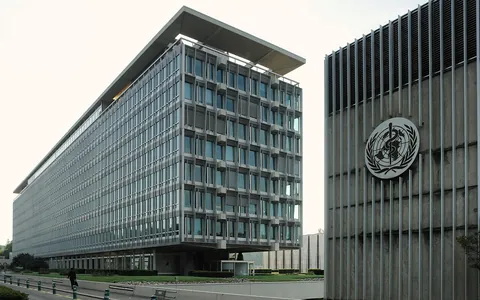
On 14 August 2024 the WHO declared the upsurge of mpox in the Democratic Republic of the Congo and other African countries a public health emergency of international concern. What it means.
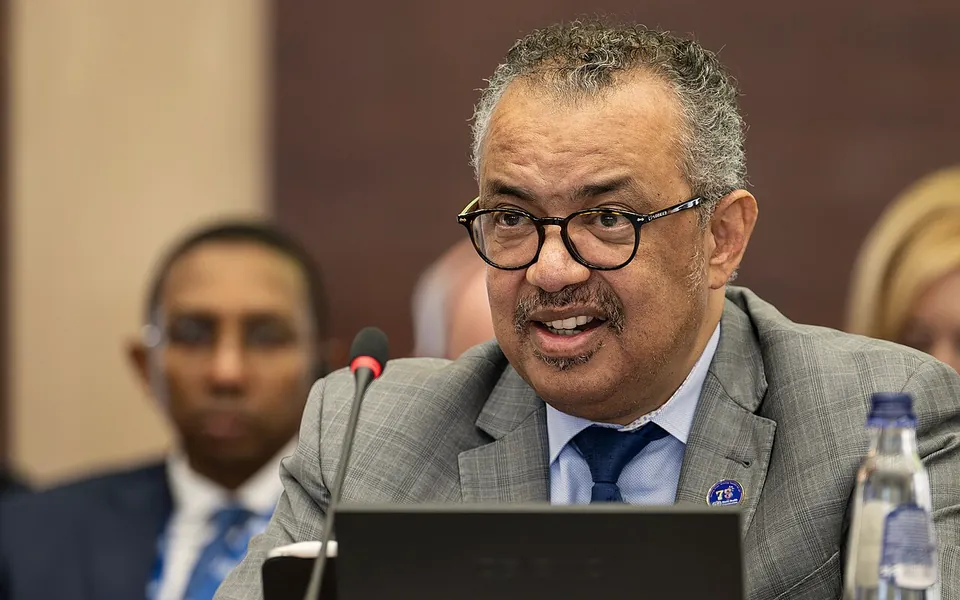
On 14 August 2024, the Director-General of the World Health Organization (WHO), Tedros Adhanom Ghebreyesus, declared that the upsurge of mpox in the Democratic Republic of the Congo (DRC) and a growing number of African countries is a public health emergency of international concern under the International Health Regulations (2005). He acted on the advice of the Emergency Committee, a group of independent experts chaired by Dimie Ogoina that met the same day.
It is the second time in two years: the first declaration, in July 2022, concerned a global outbreak spread mainly through sexual contact in countries where the virus had not been seen before, and it ended in May 2023 after a sustained decline in cases.
What has changed
Mpox, formerly called monkeypox, was first detected in humans in the DRC in 1970 and is endemic in central and west Africa. What is new is clade Ib, a variant that emerged in the DRC last year and that, according to the WHO, appears to spread mainly through sexual networks. In the past month, more than 100 laboratory-confirmed cases of clade Ib have been reported in Burundi, Kenya, Rwanda and Uganda, countries that had not reported mpox before, and its spread is one of the main reasons for the declaration.
The WHO cites more than 15,600 cases and 537 deaths so far in 2024, a figure that already exceeds that of the whole of 2023. Experts believe the real number of cases is higher, because many cases consistent with the disease were not tested. The day before, on 13 August, Africa CDC, the public health agency of the African Union, had declared for the first time a public health emergency of continental security.
What an international emergency means
A public health emergency of international concern is the highest level of alert under the International Health Regulations: it signals that an event may spread to other countries and requires a coordinated international response. It is not the same as a pandemic, and the recommendations that accompany it are not binding. Its main purpose is to mobilise funding, surveillance, diagnostics and vaccines.
The WHO says it immediately needs US$15 million for surveillance, preparedness and response, and it released US$1.45 million from its Contingency Fund for Emergencies. Two vaccines are in use, recommended by the WHO’s expert immunization advisory group, and Tedros has triggered the Emergency Use Listing procedure to speed up access for lower-income countries and let Gavi and UNICEF buy them.
What to know
The WHO describes mpox as a viral disease that spreads mainly through close contact and whose symptoms are a painful rash, swollen lymph nodes and fever; it can be severe. There are several clades with different modes of transmission and levels of risk, and the figures cited relate mainly to Africa. It is too early to know how it will evolve in other countries, and each health authority assesses its own risk: in Spain, the Ministry of Health is the source of information.
This note records the official data as of 15 August 2024. For travel and health, follow the guidance of the Ministry of Health and your doctor.
A declared emergency is a call for coordination, not for alarm.
This article is general information. It is not legal, tax or investment advice, and it does not take anyone’s particular circumstances into account.