On 23 July 2022 the WHO declared the monkeypox outbreak a public health emergency of international concern. Spain, with 3,596 confirmed cases, is one of the most affected countries. The official data.

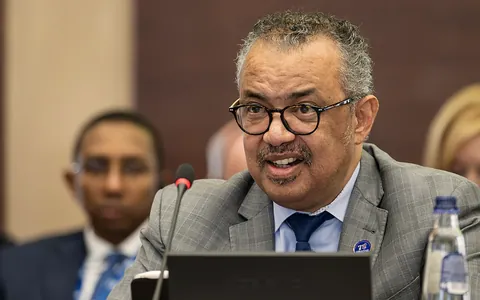
On 23 July 2022 the Director-General of the World Health Organization, Tedros Adhanom Ghebreyesus, determined that the multi-country monkeypox outbreak constitutes a public health emergency of international concern. It is the highest level of alert provided for by the International Health Regulations. The decision came after the second meeting of the Emergency Committee, held on 21 July, which did not reach a consensus among its members.
What the data say
According to the WHO, between 1 January and 20 July 2022, 14,533 probable and confirmed cases had been reported in 72 countries across the organisation’s six regions. Up to that date five deaths had been recorded: three in Nigeria and two in the Central African Republic. Most cases are in men, mainly men who have sex with men, in urban areas and clustered in particular social and sexual networks.
In Spain, the National Epidemiological Surveillance Network had notified 3,596 confirmed cases as of 22 July, from 16 autonomous communities. Madrid (1,463) and Catalonia (1,176) account for almost three in four. According to the Ministry of Health, Spain is one of the most affected countries in the world and, in Europe, has more cases than Germany (2,191) and the United Kingdom (2,137), the next two.
Severity and who is affected
The Spanish data show that, of the 3,105 patients with information available, 94 (3.0%) were hospitalised and none has died. The median age is 37. Of the 1,947 patients with data on their progress, 134 (6.9%) had complications, mainly secondary bacterial infections and mouth ulcers.
Among those patients, 2,622 were men who have sex with men, and in 81.8% of cases with information on the most likely route of transmission, infection came from close contact in the context of a sexual relationship. The most frequent symptoms are fever (56.2%), anogenital rash (54.8%) and rash in other locations (51.1%). Of the 2,398 cases with information on this point, 364 had attended a mass event in the period before the onset of symptoms.
The Ministry of Health warns that, if sustained transmission is not controlled, there is a risk that it will spread to other population groups by the same route: very close physical contact. For that reason the measures focus on detecting cases early, isolating them and tracing their contacts.
What the WHO recommends
The WHO’s temporary recommendations for countries with recent cases include stopping person-to-person transmission, isolating cases for the infectious period, tracing contacts for 21 days, reporting cases weekly and vaccinating specific groups. The organisation advises against travel measures beyond those it specifies and calls for less stigma around the disease. Spain has had a national alert open since the start of the outbreak and a procedure for early detection and the management of cases and contacts.
For families and businesses, the sensible course is to keep informed through official sources — the Ministry of Health and each region’s health department — and to avoid decisions based on rumour. Keep in mind that the figures for the most recent days are often revised, because there is a median of six days between the onset of symptoms and diagnostic confirmation.
The international emergency calls for a coordinated response; the official figures will show its scale.
This article is general information. It is not legal, tax or investment advice, and it does not take anyone’s particular circumstances into account.