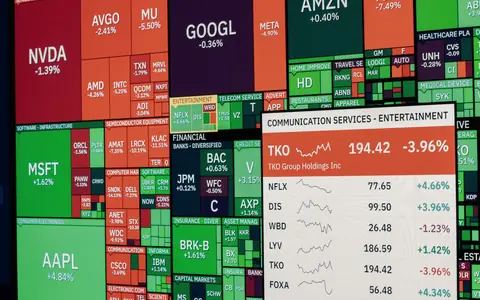
- On 24 July the Nasdaq had one of its worst sessions since 2022, after earnings that made investors question when big tech would see returns on its AI investments.
- Every great technology wave has moments of excess and correction; that a technology transforms does not mean every price is reasonable.
- It is worth defining the horizon and acceptable level of risk in advance, so as not to decide in the middle of a bad session.
On 24 July 2024, the Nasdaq, the index in which the big technology companies weigh heavily, had one of its worst sessions since 2022. Corporate earnings made investors question when those companies would see returns on their huge investments in artificial intelligence. After months of enthusiasm, the market asked itself seriously how long the return on so much spending would take to arrive. The reaction showed how demanding a market becomes when promises are already built into the quotes.
It was not a collapse of the sector but a jolt that forced expectations to be reconsidered. Stock markets had risen sharply around a powerful idea, and powerful ideas tend to carry more optimism than immediate results can justify. For investors, the day is an opportunity to reflect on the role of expectations in prices and on how to face falls.
What happened
The session of 24 July did not reflect a change of opinion about the technology, but earnings that cast doubt on the timetable for returns on AI investment. When current profits do not seem proportionate to the spending being undertaken, the market begins to demand proof. This is not a criticism of the technology but the usual way in which the market asks for the numbers to match the narrative.
It is a familiar dynamic. A technology promises to change entire sectors and investors pay in advance for that promise; then, each quarter, real results are compared with what was priced in. When there is a gap, prices adjust, sometimes abruptly. What happened did not call into question the usefulness of the technology but the pace at which it could translate into profits for those who develop it.
Excess and correction
Every great technology wave has moments of excess and correction. That a technology is transformative does not mean that every company developing it, or every price at which it trades, is reasonable. Distinguishing the quality of the technology from the price of the share is one of the hardest tasks in investing.
Economic history offers examples of technologies that changed the world and that nevertheless went through phases of euphoria followed by severe adjustments. The innovation can be real and the price excessive at the same time. That is why anyone investing in a particular theme should know what part of their portfolio depends on it and what would happen if expectations moderated for a prolonged period. Diversifying across sectors and regions reduces that risk without giving up taking part in the underlying trends.
The long-term view
Distinguishing the underlying trend from market noise is the foundation of long-term investing. A bad session, or even a bad quarter, does not by itself change the evolution of an industry. What can change is the mood of someone watching quotes day by day, and decisions taken in that mood tend to be worse than considered ones. That is why many investors prefer to automate their contributions and review their portfolio at fixed intervals.
It is worth defining the horizon and the acceptable level of risk in advance, so as not to have to decide in the middle of a bad session. A written plan, reviewed with the adviser, setting out what proportion of the portfolio goes to each type of asset and when it is rebalanced, helps avoid reacting to every headline. This note is general information and not investment advice. Each person must fit their strategy to their situation, their age and their liquidity needs.
One-off falls are part of the road, and what counts is the plan.
This article is general information. It is not legal, tax or investment advice, and it does not take anyone’s particular circumstances into account.