On 13 July 2024 a man opened fire on Donald Trump at a campaign event in Butler, Pennsylvania. Trump was wounded in the ear and a spectator was killed. What is known and how markets reacted.
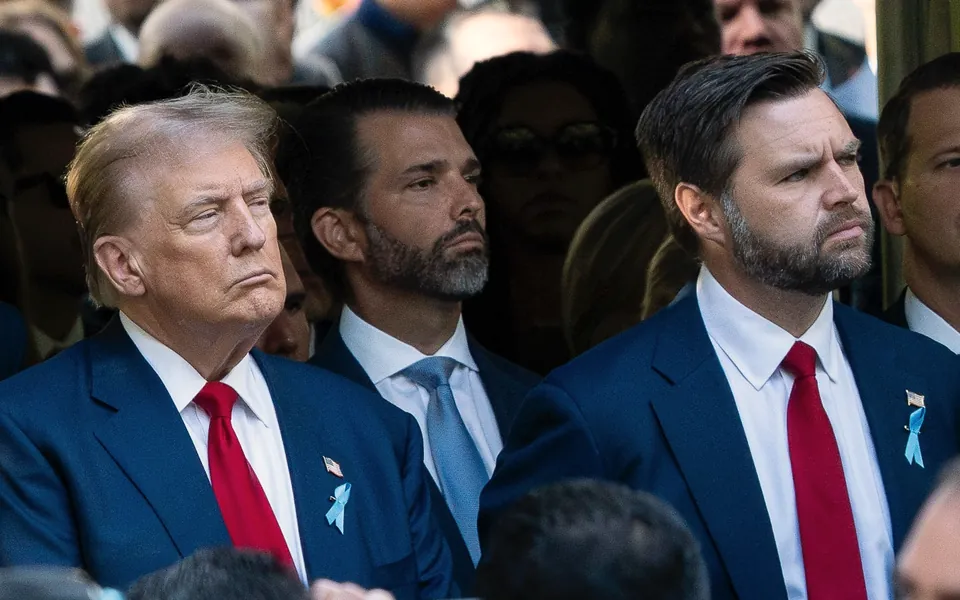
On Saturday 13 July 2024, at about 6:11 pm local time, during a campaign event for Republican candidate Donald Trump in Butler, Pennsylvania, several shots were heard aimed at the stage. Trump put his hand to his ear and ducked; Secret Service agents surrounded him and took him off the stage with blood on his ear and face. Hours later Trump wrote that a bullet had pierced the upper part of his right ear. This note sticks to the facts confirmed up to 15 July and to the market reaction.
What is known
The Secret Service said its agents neutralised the shooter, who died at the scene. The FBI identified him as Thomas Matthew Crooks, 20, of Bethel Park, Pennsylvania. A spectator, Corey Comperatore, 50, a former fire chief of Buffalo Township, was killed, and two other people were seriously injured. The FBI is leading the federal investigation and its special agent in charge in Pittsburgh, Kevin Rojek, called it an attempted assassination. As of the date of this note, the gunman’s motive had not been made public.
President Joe Biden condemned the violence and on Sunday ordered an immediate review of the security arrangements for the event, the results of which he said would be made public. The House Oversight Committee asked the Secret Service director, Kimberly Cheatle, to appear at a hearing on 22 July.
The market reaction
Markets began the week watching the political implications. According to Reuters, midway through Monday 15 global stocks were rising (MSCI’s global index 0.4% and the S&P 500 0.9%), the 10-year Treasury yield rose to 4.22% and the dollar eased slightly. Shares in Trump Media & Technology Group were up 32%, and bitcoin reached a two-week high, at around $60,000. Gold rose 0.9% to about $2,433 an ounce, and investors were also following comments from Federal Reserve Chair Jerome Powell for clues on a possible rate cut in September.
Analysts attributed part of the moves to the fact that the odds of a Trump win in November had risen: the PredictIt prediction market priced his victory at 67 cents, up from 60 on Friday, and Joe Biden’s at 27. In the past, investors had associated a possible Trump win with higher government bond yields, on expectations of larger deficits and inflation, and also with less regulation and lower taxes. These are analysts’ readings, not certainties: the actual policies will depend on what is decided after the election on 5 November.
What comes next
The Republican National Convention opened that same Monday in Milwaukee. Trump attended with a bandage on his ear, was formally nominated as the party’s candidate and named Ohio senator J. D. Vance as his running mate.
For anyone with investments or business in the United States, the first lesson is one of method: major political events move prices quickly, and the first reaction is often corrected. It is worth knowing your real exposure to the US (dollar, government debt, stocks, subsidiaries or suppliers) and checking whether investments are protected against exchange-rate moves. This note is general information and not investment advice. If it affects you, ask your adviser how to apply it.
The confirmed facts are few and are in the hands of investigators; the rest, for now, is interpretation.
This article is general information. It is not legal, tax or investment advice, and it does not take anyone’s particular circumstances into account.