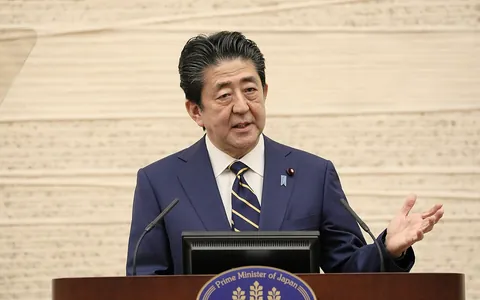
In the Andalusian election of 19 June 2022, Juanma Moreno’s PP won 58 of the 109 seats in the regional parliament. The results, and what they mean for the chamber and the investiture timetable.
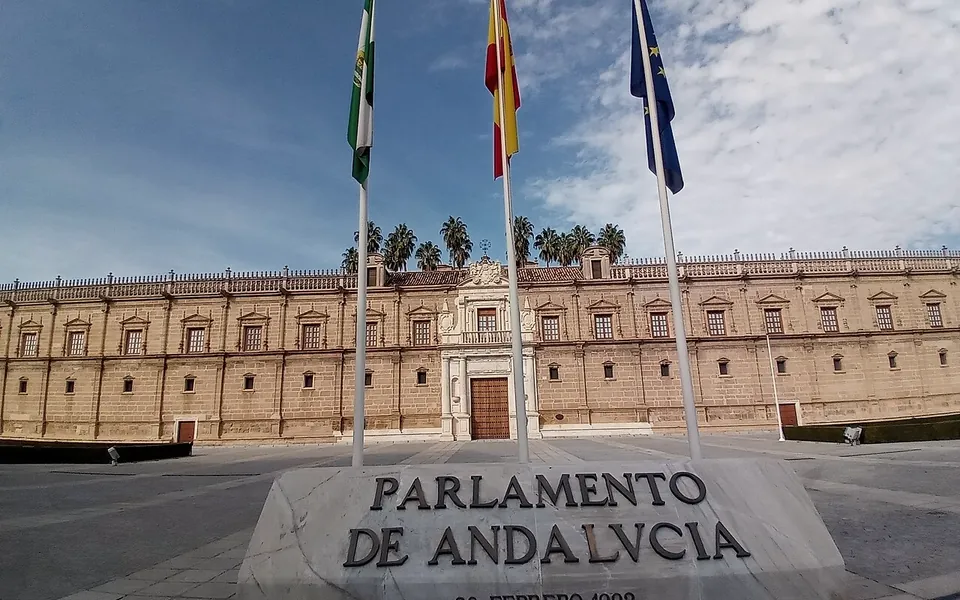
On 19 June 2022 Andalusia elected the 109 members of its parliament, in an election called on 25 April by the president of the regional government, Juanma Moreno. They were early elections: the previous legislature, which began with the 2018 vote, had not yet run its full term. The People’s Party (PP), with him as its candidate, won 58 seats, according to the count, with just over 43% of the vote. It is the first time the PP has won an absolute majority in the region: the previous absolute majority was the PSOE’s under Manuel Chaves in 2008. Turnout was 56.1%.
The results
In votes, the PP took 1,589,272 (43.1%), against 888,325 for the PSOE-A (24.1%) and 496,618 for Vox (13.5%). Por Andalucía won 284,027 votes (7.7%) and Adelante Andalucía 168,960 (4.6%). Ciudadanos, with 121,567 votes (3.3%), won no seats. In all, 3,728,155 people voted out of an electoral roll of 6,641,903.
Compared with the 2018 election, the PP more than doubled its 26 seats. The PSOE-A, which had governed the region without interruption until 2019, fell from 33 to 30. Vox, which had 12, became the third-largest force in the parliament with 14. And Ciudadanos, which had 21 members and was part of the government, lost all its representation.
With 58 seats, the PP is three above the absolute majority, which stands at 55 out of 109. Until now it had governed in coalition with Ciudadanos since Moreno’s investiture in January 2019, and the two parties held 47 seats between them in the last legislature. Under the new distribution, the PP does not need the support of other groups to pass laws and budgets or for the investiture.
What it means institutionally
A government with an absolute majority does not depend on agreements with other groups in each vote. The opposition keeps its scrutiny functions — questions, appearances, committees and initiatives — and the basic rules do not change: the Statute of Autonomy, the region’s powers and the tax framework remain the same. The PSOE-A, with 30 seats, will be the main opposition group, followed by Vox, with 14.
Andalusia is Spain’s most populous autonomous community and manages weighty powers, such as health, education and housing, as well as taxes ceded by the state, whose framework it can adjust within the limits of national law. Any change in those areas will depend on decisions the new government takes later: the election result does not by itself change any tax or any rule.
What happens next
The electoral calendar has the elected parliament meeting on 14 July 2022 at 12:00; at that first sitting the Mesa, the governing body of the chamber, is elected. The speaker of the chamber then has a maximum of 15 days to propose a candidate for the presidency of the regional government, and the investiture debate follows. Until there is a new government, the current one stays on in a caretaker capacity, that is, limited to ordinary business.
For anyone with business or assets in Andalusia, what matters now will be the new government’s programme and the region’s budgets, which are the instruments that turn intentions into decisions. It is worth following their passage and, if it affects your case, consulting your adviser.
19 June fixed the make-up of the parliament; the content of the decisions will come later.
This article is general information. It is not legal, tax or investment advice, and it does not take anyone’s particular circumstances into account.