On 9 February 2022 the government, CCOO and UGT agreed to raise the minimum wage to €1,000 a month in 14 payments, with effect from 1 January. What it means for employers and payrolls.
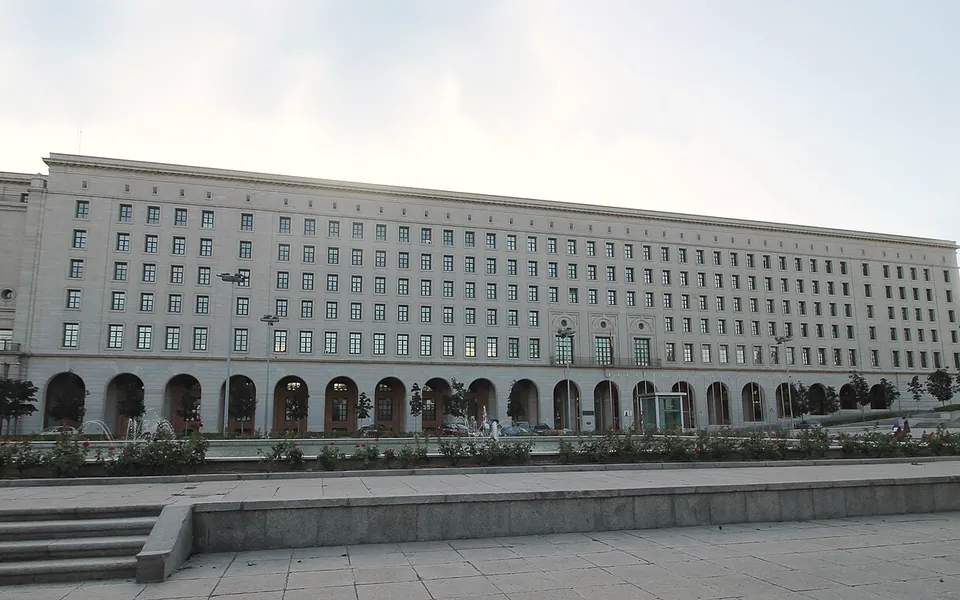
The government and the CCOO and UGT unions agreed on Wednesday 9 February 2022 to raise the national minimum wage (SMI) to €1,000 gross a month, in 14 payments, with effect from 1 January. The agreement was signed by the second deputy prime minister and labour minister, Yolanda Díaz, and by the general secretaries of CCOO, Unai Sordo, and UGT, Pepe Álvarez. The SMI had been €965 since September 2021: the rise is €35 a month, or 3.6%. The employers’ organisations CEOE and Cepyme did not join in: their governing bodies had rejected the proposal the day before.
The amounts
According to EFE, besides the monthly minimum, the amounts set are €33.33 gross a day for workers on standard contracts, €47.36 a day for casual and seasonal workers whose services to one employer do not exceed 120 days, and €7.82 gross an hour for domestic workers. The increase is 3.63% over the 2021 amounts. The Labour Ministry and CCOO calculate that it affects some 1.8 million workers.
The SMI has to be approved by the Council of Ministers, which according to ministry sources would be on 22 February, after going through the delegated committee. Since it takes effect from 1 January, workers should receive the €35 difference for January and February.
What changes for the employer
The first effect is on payroll: a full-time worker on the minimum wage goes from €13,510 to €14,000 gross a year, €490 more. On top of that come the employer’s social security contributions, which come to around 30% of pay: 23.6% for common contingencies, 5.5% for unemployment on permanent contracts, 0.2% for the wage guarantee fund (Fogasa) and 0.6% for vocational training, plus the contribution for accidents at work and occupational illness.
At those rates, the annual cost of each worker on the minimum rises by around €640, not counting that last contribution (approximate calculation). Put another way, about €53 more a month per worker in total cost: from about €1,462 to about €1,516 a month.
The minimum contribution bases for the lowest job groups are calculated from the minimum wage, with the proportional share of the extra payments, so they rise with it. The SMI is also a floor for every contract: collective agreements with categories below that figure are overtaken by it. Families that employ domestic staff and pay them by the hour should keep in mind the €7.82 an hour.
The debate
The CEOE and Cepyme argue that raising the SMI will harm employment. The government and the unions reply that earlier rises have not destroyed jobs; the minister said there is no data to back that claim. CCOO and UGT also recalled that the 2018-2020 Agreement for Employment and Collective Bargaining, signed with the employers, provided for a minimum of €1,000 in 14 payments in collective agreements, and accused the CEOE of not honouring it. The government maintains its aim of setting the SMI at 60% of the average wage by the end of the legislature. Ask your employment adviser how it affects your workforce.
The wage floor is set by the government, but it is paid in every payslip.
This article is general information. It is not legal, tax or investment advice, and it does not take anyone’s particular circumstances into account.