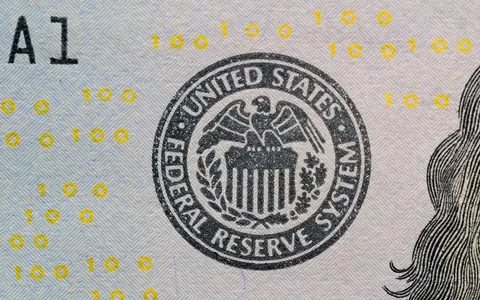
- At an emergency meeting, the Federal Reserve cut interest rates to a range of 0% to 0.25%.
- It announced bond purchases of at least 700 billion dollars and, with other central banks, made dollar funding cheaper.
- The message is one of maximum caution: central banks act to keep credit flowing, but cannot stop a health crisis on their own.
On Sunday 15 March 2020, two days before its scheduled meeting, the US Federal Reserve cut interest rates by one percentage point, to a range of 0% to 0.25%. It was its second emergency cut in two weeks and returned rates to the floor at which they stayed between 2008 and 2015. The central bank also announced it would buy at least 500 billion dollars in government debt and 200 billion in mortgage-backed bonds.
That same day, the Fed, the European Central Bank, the Bank of England, the Bank of Japan, the Bank of Canada and the Swiss National Bank announced coordinated action to make dollar liquidity cheaper through their currency swap arrangements. Even so, stock markets kept falling sharply on Monday, and the Dow Jones closed down almost 13%.
What a central bank does
Interest rates are the price of money. When they fall, credit becomes cheaper and it is easier for companies and families to borrow. But when they are already close to zero, the central bank has another tool: buying bonds to inject liquidity and keep longer-term rates low. This is known as quantitative easing, and it aims to stop the financial system from seizing up.
Currency swap lines address another problem. A large share of international debts and payments are denominated in dollars. In moments of stress everyone wants dollars at the same time, and their scarcity can hamper trade and the financing of companies outside the United States. Easing access to that currency helps banks keep lending and payments flowing.
What it cannot solve
A central bank can guarantee liquidity, but it cannot reopen a closed restaurant or restart a supply chain. The crisis originated in a health emergency, and the slowdown in activity is not corrected with lower rates. That is why the cut was a sign of seriousness rather than optimism, and why governments would have to complement it with fiscal measures and direct support.
For people with savings, rates near zero mean that the return on deposits and safe debt will remain low for some time. For borrowers, it means potentially cheaper credit, although banks may be more cautious in lending in an environment of uncertainty. The link between a rate cut and real financing conditions is not automatic.
What to review
In such a situation, a company’s priority is liquidity: which cash inflows and outflows are expected over the coming weeks, which credit lines are available and which can be drawn before they are needed. It is worth talking to your bank in good time and being clear about the terms of each line.
Investors often hear that they should not take decisions in the heat of the moment. It is not an empty slogan: the sharp moves of these days mix fear with a lack of liquidity, and do not always reflect the long-term value of assets. If you are worried about your portfolio, check with your adviser that it fits your horizon and risk tolerance, and avoid decisions based solely on daily volatility.
Central banks can provide liquidity, but confidence returns when the cause of the crisis is brought under control.
This article is general information. It is not legal, tax or investment advice, and it does not take anyone’s particular circumstances into account.