On 19 March 2019 a federal jury in San Francisco found that Roundup was a “substantial factor” in Edwin Hardeman’s lymphoma. What was decided, what is still to come and what it teaches anyone buying a company.
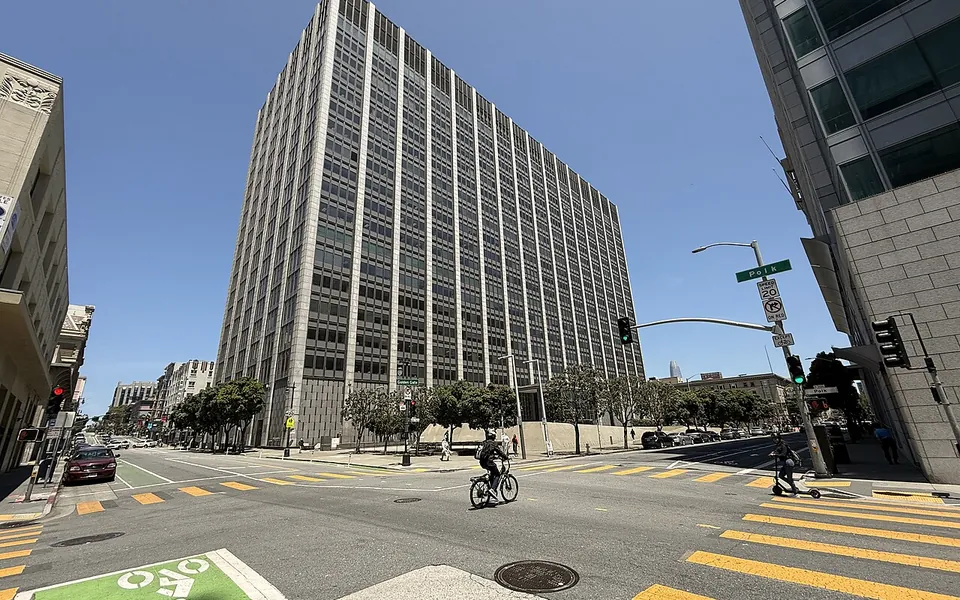
On 19 March 2019, a federal jury in San Francisco found unanimously, after five days of deliberation, that Roundup, Monsanto’s glyphosate-based weedkiller (owned by Bayer since June 2018), was a “substantial factor” in the non-Hodgkin lymphoma of Edwin Hardeman, a Californian plaintiff. The trial is presided over by Judge Vince Chhabria, who oversees more than 760 cases on the product gathered in that court.
What was decided and what was not
The verdict is not a finding of liability. The trial runs in two phases: the first, causation, is what the jury has decided; the second, which began on 20 March before the same jury, determines whether Monsanto is liable and, if so, the damages. In that phase Hardeman’s lawyers may present evidence on Monsanto’s alleged attempts to influence scientists and regulators, which the judge had excluded from the first because he considered it a distraction from the scientific question.
Bayer said it was disappointed with the initial decision and that it was confident the evidence in the second phase would show that Monsanto’s conduct was appropriate. It maintains that glyphosate does not cause cancer and says the first phase has no effect on other cases, because each has its own circumstances.
Scientific bodies and regulators do not agree. The World Health Organization’s cancer agency (IARC) classified glyphosate in 2015 as “probably carcinogenic to humans”; the US Environmental Protection Agency and the European Chemicals Agency consider it unlikely to cause cancer; and California added it in 2017 to its list of known carcinogens.
Hardeman is only the second of some 11,200 Roundup lawsuits in the US to reach trial. The first, in a California state court in August 2018, ordered Monsanto to pay $289 million to a school groundskeeper, Dewayne Johnson; the award was later cut to $78 million and is under appeal. Another test trial is scheduled for May.
The market reaction
In Frankfurt, Bayer’s share price fell on 20 March by more than 12%, to €60.81, according to Bloomberg cited by Fortune. It is the second time in less than a year that a Roundup verdict has shaken the share price: it had already fallen with the Johnson verdict. One trading session does not say how the trials will end; it reflects uncertainty about their number and cost.
The lesson for anyone buying a company
Bayer completed the purchase of Monsanto in June 2018 for about $63 billion. Whoever acquires a company’s shares takes on its liabilities, including pending litigation and claims not yet in court, and product claims can take years to surface and be hard to quantify.
That is why, in an acquisition, litigation and regulatory risk deserve as much scrutiny as the accounts: how many claims there are and of what kind, what regulators say, how they have been provisioned and what insurance covers. It is also possible to agree price adjustments, specific indemnities, retention of part of the price or warranty and indemnity insurance. Ask your adviser how this applies to your situation.
A jury verdict is not a final judgment, but it shows how much an inherited liability can weigh.
This article is general information. It is not legal, tax or investment advice, and it does not take anyone’s particular circumstances into account.