Tokyo prosecutors arrested Carlos Ghosn on 19 November 2018 on suspicion of under-reporting his pay, and on the 22nd Nissan removed him as chairman. What he is alleged to have done and what it teaches about corporate governance.
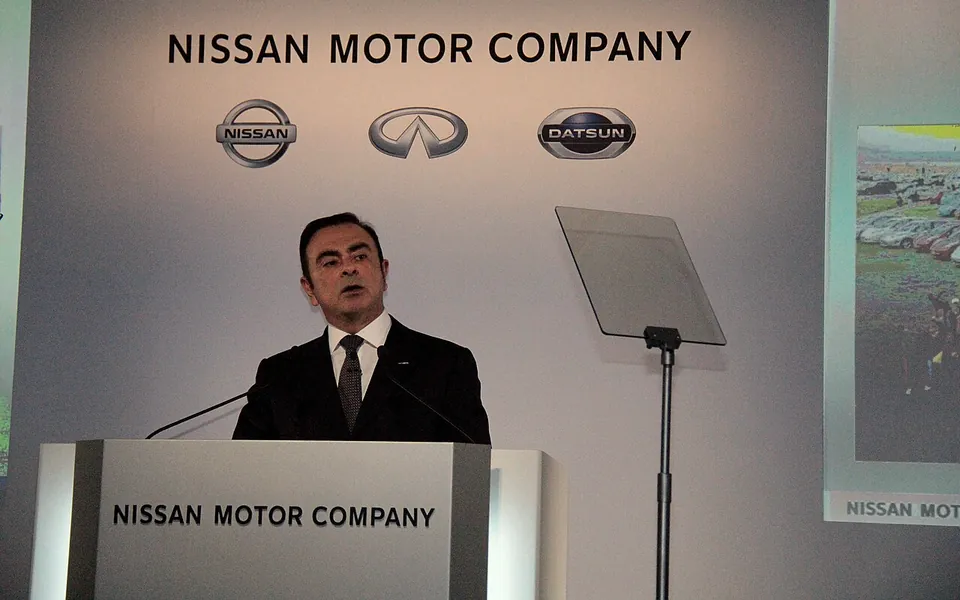
On Monday 19 November 2018, Carlos Ghosn, 64, chairman of Nissan, chief executive of Renault and chairman of Mitsubishi Motors, and head of the alliance between the three companies, was arrested in Tokyo. Tokyo prosecutors confirmed it on Tuesday. Greg Kelly, a representative director of Nissan, was also arrested. On 22 November, Nissan’s board removed Ghosn as chairman. What follows are allegations and decisions by the companies and the prosecutors: there is no verdict, and the presumption of innocence applies.
What he is alleged to have done
Nissan explained on 19 November that, following a whistleblower report, it had been investigating Ghosn and Kelly for several months. According to the company, for many years both reported in the securities report that Nissan files with the Tokyo Stock Exchange a compensation for Ghosn lower than the actual amount, with the aim of reducing the figure disclosed. Nissan also attributes to Ghosn other serious misconduct, including personal use of company assets, and says Kelly was deeply involved. It says these are clear violations of directors’ duty of care and that it is cooperating fully with the prosecutors.
The prosecutors maintain, according to media reports, that Ghosn and Kelly conspired to under-report pay over five years from 2010: about 5 billion yen reported against nearly 10 billion actual (about $88 million). A court approved holding Ghosn in detention for ten days, and a prosecutor said he could not comment on whether he had admitted the allegations.
How the companies reacted
Nissan’s board met on 22 November at its headquarters in Yokohama. It voted unanimously to remove Ghosn as chairman of the board and as representative director, and Kelly as representative director; agreed to study the creation of a special committee, advised by an independent third party, on the governance system and directors’ pay, led by the independent directors; and approved an advisory committee, chaired by Masakazu Toyoda, which will propose candidates for the chairmanship. Ghosn and Kelly, in custody, could neither vote nor defend themselves at the meeting. The board confirmed that the long-standing alliance with Renault is unchanged.
Renault reacted differently. On 20 November its board, chaired by the lead independent director, Philippe Lagayette, kept Ghosn as chairman and chief executive, “temporarily incapacitated”, and appointed Thierry Bolloré on a temporary basis as deputy chief executive, with the same powers as Ghosn. It also asked Nissan for all the information from its internal investigations on the matter. Mitsubishi Motors, for its part, announced that it would propose removing Ghosn as chairman.
Corporate governance and alliances
The alliance is built on cross-shareholdings: Renault is Nissan’s largest shareholder, with about 43% and voting rights, and Nissan holds 15% of Renault without voting rights; since 2016, Mitsubishi Motors has been part of the group. That one person chaired or ran all three companies concentrated the coordination of the alliance in a single name, and the case shows what happens when that name is missing: the three companies must decide separately and at the same time.
For the board of a company, family-owned or not, the case suggests several checks. In a Spanish capital company, the office of director is unpaid unless the articles of association provide otherwise and set the remuneration system, and the general meeting approves the maximum annual amount for the directors as a whole. It is worth making sure that what each director is paid is documented and reported accurately, that there is an internal whistleblowing channel that works, that independent directors have real functions, and that shareholder agreements or alliances provide for what happens if the key person is missing. Your adviser can tell you how it applies in your case.
A solid alliance is measured by what happens when the person who holds it together is no longer there.
This article is general information. It is not legal, tax or investment advice, and it does not take anyone’s particular circumstances into account.