On 15 January 2018 the High Court in London ordered the compulsory liquidation of Carillion, one of the UK’s largest public-sector contractors. What is known so far, and what to check if your business relies on a major customer.
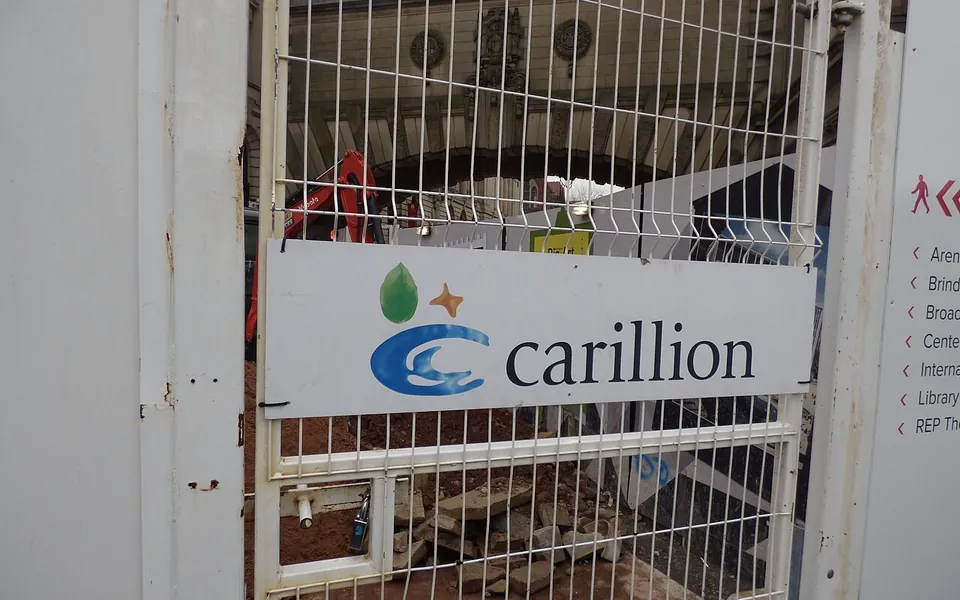
On 15 January 2018 the High Court in London ordered the compulsory liquidation of Carillion, one of the largest construction and services groups in the UK. The Official Receiver, a public official at the Insolvency Service, was appointed liquidator, assisted by six PwC (PricewaterhouseCoopers) professionals as special managers. The group failed to reach a deal with its creditors after losing almost all of its stock-market value in under six months, from nearly £1 billion to about £61 million.
What is known
According to the specialist press, Carillion employed about 43,000 people in the UK, the Middle East and Canada, around 20,000 of them in the UK, and had revenue of £5.2 billion in 2016. Its debts are put at about £1.5 billion and the deficit in its pension schemes at about £600 million. In the first half of 2017 it reported a pre-tax loss of £1.1 billion, and it ended the year in breach of the terms of its bank financing.
Carillion delivered around 450 contracts with the government, 38% of its 2016 revenue, mainly for the departments of Education, Health, Justice and Transport. The UK government has said it will give the liquidator the funds needed to keep public services running, and that staff will keep working on the same terms and be paid as normal. For purely private-sector contracts, the press reported, government support would last only two days. The Business Secretary, Greg Clark, called for the liquidator’s investigation into the conduct of current and former directors to be widened and speeded up.
The supply chain
The hardest effect to measure is on the businesses that worked for Carillion. In 2016 the group spent about £952 million with local suppliers, and Build UK estimates that between 25,000 and 30,000 small businesses are owed money. Rudi Klein, who heads the trade body for specialist engineering contractors, warned that the collapse could drag many smaller firms down with it.
The liquidation rules draw a clear line. According to the special managers, goods and services supplied and work done from the date the liquidator was appointed will be paid for, and employees, agents and subcontractors were asked to keep working as normal unless told otherwise. What was owed before that date will generally be treated as an unsecured claim, so whether it is paid depends on what is recovered from the company’s assets.
What to review
For a medium-sized business or a business family, the case points to three risks. The first is concentration: if one customer accounts for a large share of turnover, its failure can become your own. It is worth knowing what share of sales and of outstanding receivables each large customer represents, and setting a limit you could bear.
The second is payment terms. The longer the terms a large customer imposes, the more the supplier finances with its own money and the more is left unpaid if the customer fails. It is worth reviewing the agreed terms, any retentions or guarantees the customer holds against each invoice and, where it exists, credit insurance.
The third is early warning signs. A collapse in the share price, repeated late payments, requests for longer terms or a breach of financing conditions often come before the trouble. In that case it is reasonable to reduce exposure, shorten terms or check what the contracts with that customer say about insolvency, because some can end automatically. And a state guarantee that a public service will continue is not the same as paying a supplier’s earlier invoices.
A big customer brings volume, but it also concentrates risk: measure it before it fails.
This article is general information. It is not legal, tax or investment advice, and it does not take anyone’s particular circumstances into account.