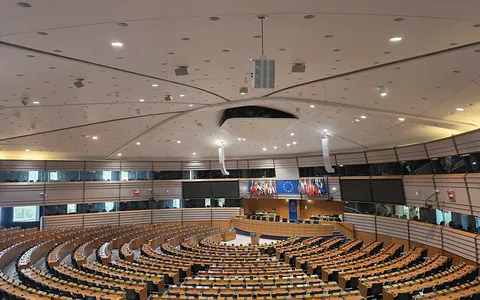
The Belém climate summit (Brazil) ended on 22 November 2025 with a deal to triple adaptation finance, but without a roadmap for moving away from fossil fuels.
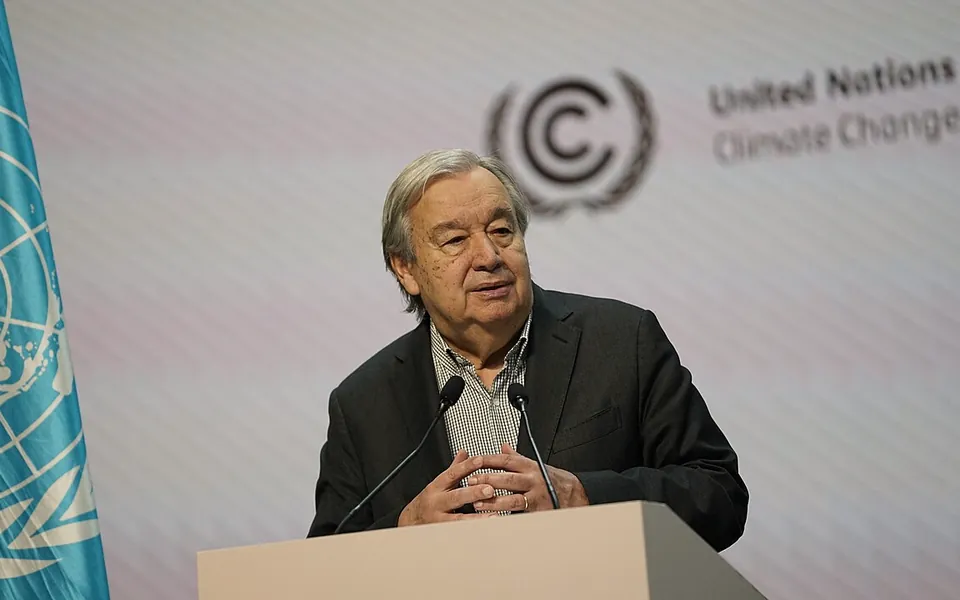
The 30th United Nations climate change conference, COP30, was held in Belém, on the edge of the Brazilian Amazon, and ended on 22 November 2025, a day later than planned. The almost two hundred participating countries approved a package of decisions dubbed the “global mutirão”, a word of Indigenous origin meaning collective effort.
What was agreed
The central decision calls for tripling finance for adaptation to climate change, which helps countries protect themselves against droughts, floods and heatwaves, by 2035, five years later than the most vulnerable countries had asked. Indicators to measure progress on adaptation were also approved, along with a mechanism on a just transition for affected workers and regions.
What did not make it into the text was a roadmap for moving away from fossil fuels, championed by the European Union, several Latin American countries and many island states, and blocked by the big oil producers. As a way out, the Brazilian presidency announced it would draw up two voluntary roadmaps, one on fossil fuels and one on deforestation, which more than eighty countries joined.
A difficult backdrop
The summit took place without an official US delegation, the United States having announced its withdrawal from the Paris Agreement, and with many countries behind on their emission-reduction pledges. The United Nations acknowledged that the goal of limiting warming to 1.5 degrees above pre-industrial levels will be exceeded, at least temporarily.
What it means for a business
Although summits do not change companies’ obligations overnight, they set the direction of regulation. In Europe, the emissions trading system, the carbon border adjustment and sustainability reporting obligations, albeit simplified in 2025, remain the benchmark for industry, transport and energy.
It is worth knowing the carbon footprint of your own business and of your suppliers, because large customers and banks increasingly ask for it, and reviewing physical climate risks, such as drought or extreme heat, to facilities and supply chains. Ask your adviser how it affects your sector.
Climate is negotiated by consensus; its effects, by contrast, wait for no one.
This article is general information. It is not legal, tax or investment advice, and it does not take anyone’s particular circumstances into account.