On 21 March 2024 the Swiss National Bank cut its policy rate from 1.75% to 1.5%, unexpectedly, becoming the first major advanced-economy central bank to lower it in this cycle. What it said and what it means.
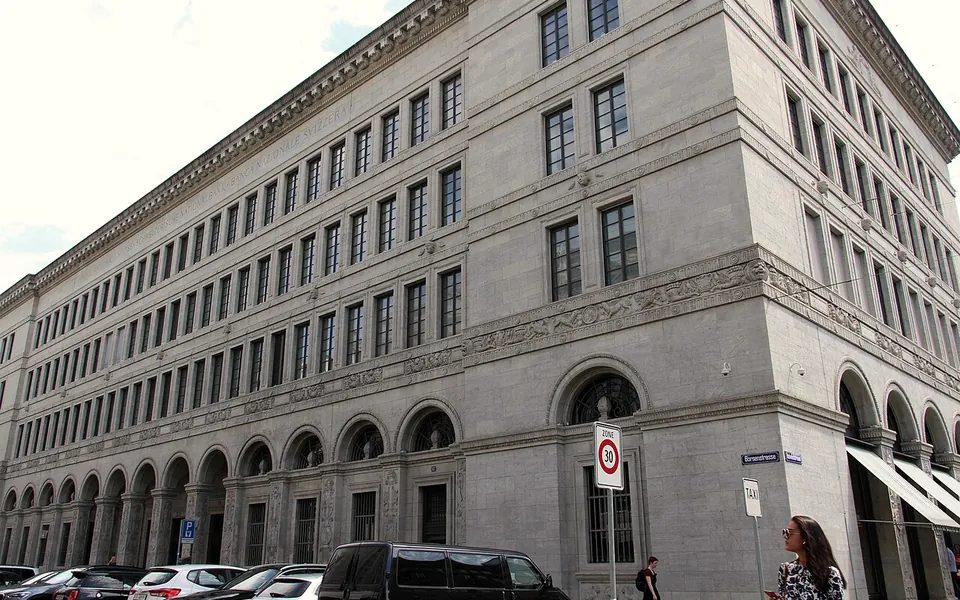
The Swiss National Bank (SNB) announced on 21 March 2024 that it is lowering its policy rate by 0.25 percentage points, from 1.75% to 1.5%. The change applies from 22 March. It is the first of the major advanced-economy central banks to cut rates in this cycle, and it came as a surprise: according to ING’s analysis, the consensus expected it to hold.
What the bank said
The SNB said the fight against inflation over the previous two and a half years had been effective. Inflation has been below 2% for some months, the range the bank equates with price stability, and stood at 1.2% in February. It attributed the fall to lower goods inflation, while domestic services are now the main driver of price rises. Its conditional forecast puts average inflation at 1.4% in 2024, 1.2% in 2025 and 1.1% in 2026, assuming the rate stays at 1.5% throughout; in December it had forecast 1.9% for 2024 and 1.6% for 2025.
The bank also cited the real appreciation of the Swiss franc over the past year, which holds down inflation and, in the SNB’s own words, weighs on growth. It expects Swiss GDP to grow by around 1% this year and unemployment to rise gradually. It added that it remains willing to act in the foreign exchange market if necessary, and that banks’ sight deposits are remunerated at the policy rate up to a threshold and at 1.0% above it.
Why it matters outside Switzerland
The other major central banks did not move in March. The ECB kept its deposit facility rate at 4% on 7 March; the Federal Reserve left its range at 5.25% to 5.50% on 20 March; and the Bank of England held at 5.25% on 21 March, by eight votes to one: one member, Swati Dhingra, voted to cut to 5%.
The Swiss decision does not oblige any other central bank to follow, but it changes the tone of the debate. ING pointed to it as the first cut among the major central banks and expected further SNB cuts in June and September, although they will depend on inflation data at the time. In the euro area, according to ING, markets were pricing in more than 90 basis points of ECB cuts over the year, against the 75 that ING itself expected.
What to check
For businesses and families here, the direct effect is limited, but some points are worth knowing. Anyone with loans, mortgages or investments in Swiss francs, or receipts and payments in that currency, depends on the euro–franc exchange rate, which ING put at between 0.97 and 0.98 francs per euro after the decision, and on Swiss reference rates. It is worth knowing how much exposure there is to that currency and how each contract is reviewed.
Variable-rate loans in euros remain tied to ECB policy and to expectations about it, not to the SNB’s. Each central bank responds to its own inflation and its own currency, so rate cuts need not coincide in time. Ask your financial adviser how it applies to your case.
The SNB has been the first to cut, but each central bank decides on its own inflation.
This article is general information. It is not legal, tax or investment advice, and it does not take anyone’s particular circumstances into account.