On 9 January 2024 Gotham City Research accused Grifols of manipulating its debt, and the shares fell 25.91%. What the report says, how the company responded and what the CNMV did.
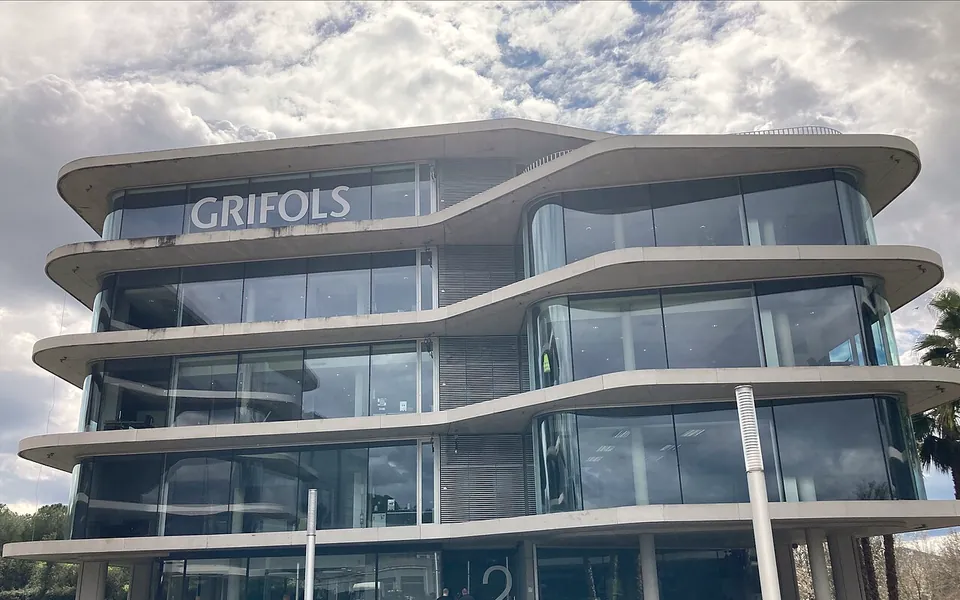
On Tuesday 9 January 2024, Gotham City Research, a US firm that bets against listed companies, published a report accusing Grifols, the Catalan plasma-derived medicines company headquartered in Sant Cugat del Vallès, of manipulating its accounts. During the session the shares fell by as much as 40% and closed down 25.91%, at €10.55 for the class A shares, the largest one-day fall in the company’s history.
What the report says
Gotham argues that Grifols alters its debt and its EBITDA, earnings before interest, tax, depreciation and amortisation, to make its leverage look lower. The report focuses on Scranton Enterprises, an investment vehicle of the Grifols family, and on the consolidation in Grifols’ accounts of two companies, Haema and BPC Plasma, in which the company holds no shares. It also claims that Grifols shares are “worth zero”.
The report itself admits that Gotham holds short positions in Grifols, that is, bets that the share price will fall, so it profits if it does. That is worth bearing in mind when reading it: the author benefits from a decline.
The response from Grifols and the CNMV
Grifols “categorically” rejected the allegations in two regulatory filings sent to the CNMV the same day. It called the report “false information and speculation”, noted that its accounts have always received unqualified audit opinions, and said related-party transactions have been disclosed and audited since 2018. On Haema and BPC Plasma, it explained that it consolidates them because it holds an exclusive purchase option over their shares, a treatment which the company says is endorsed by its auditor, KPMG. It added that this treatment had been reported to the CNMV and to the US SEC.
On 10 January Grifols announced legal action against Gotham for “the significant damage caused” and backed its chief executive, Thomas Glanzmann.
The chairman of the CNMV, Rodrigo Buenaventura, said on the 9th that the regulator “will use its powers to clarify the situation”. He ruled out suspending trading, which in his view should be “the last thing” to do, and said it makes no sense to question the integrity of audited accounts. The CNMV asked the company for information and began analysing it. According to El Español, it had already queried the consolidation of Haema and Biotest in 2019 and considered the matter settled after Grifols replied. As of 11 January the regulator had reached no conclusions. The chief executive of BME, Javier Hernani, said Grifols has market tools to clarify whether the published information is accurate and that it was “far too early to draw any conclusions”.
What to bear in mind
Grifols is a Catalan company in the Ibex 35 that may be held in investment portfolios, directly or through funds and pension plans. A report of this kind is an accusation, not a conclusion: neither Gotham’s arguments nor the company’s explanations have been tested by the regulator until it rules.
In situations like this it is worth knowing how much exposure there is to a single stock, directly or indirectly; comparing both sides’ versions and the regulator’s before forming a view; and, in a family company with related-party transactions, checking that they are properly documented and explained in the accounts. Ask your adviser how this applies to you.
An accusation can move a market in hours; the answer needs data.
This article is general information. It is not legal, tax or investment advice, and it does not take anyone’s particular circumstances into account.