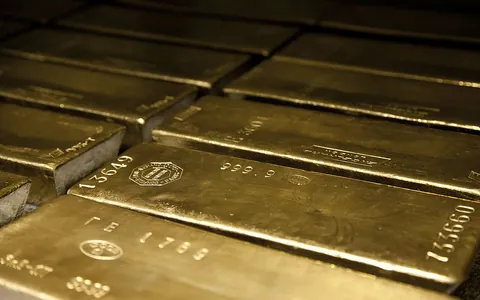
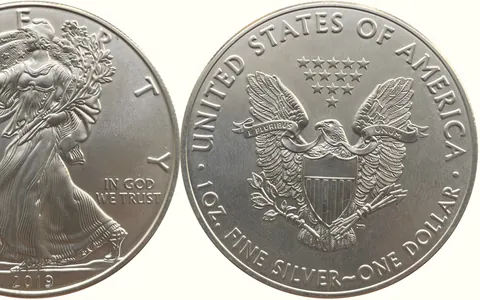
On 4 December 2023 gold hit an all-time high of $2,135.40 an ounce and reversed much of the rise within the same session. What lies behind it and how to read a record.
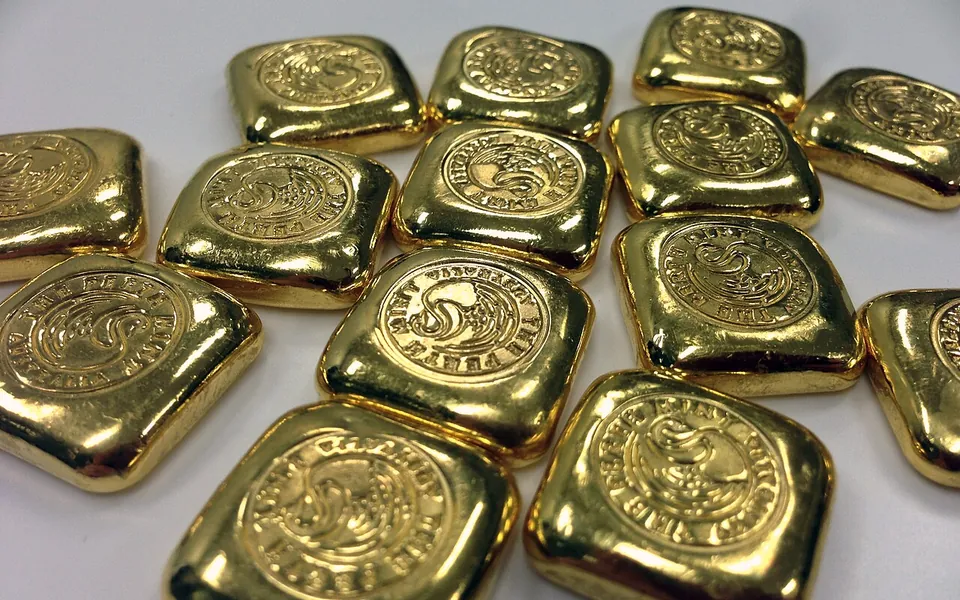
On Monday 4 December 2023, in the first hours of trading of the week, the spot price of gold reached an all-time high of $2,135.40 a troy ounce, according to quotes reported by Kitco and CNBC, surpassing the previous record from 2020. The rise was quickly reversed: two days later, on 6 December, gold was trading around $2,030. This is a market report, not a recommendation: it explains what happened and how to read a record.
What happened
On Friday 1 December gold had already closed at a record high, after ending November at elevated levels. On Sunday evening, New York time, the price shot up to $2,135.40 and, over the course of Monday, gave back much of the jump; a Kitco commentator spoke of a massive reversal. On 6 December spot gold traded at $2,027.52, according to the financial outlet Argaam, about 5% below the peak.
According to Kitco, the record came on bets that the US Federal Reserve would start cutting interest rates in early 2024, after remarks by its chair, Jerome Powell, were read as less hawkish. Expectations of lower rates tend to weaken the dollar and reduce bond yields, which supports gold. On 5 December, in addition, it emerged that US job openings fell in October by 617,000 to 8.73 million, the lowest level since March 2021, another sign of a cooling labour market.
How to read a record
An all-time high is measured in current dollars: it does not discount the inflation accumulated since earlier records, and for those who count in euros the path also depends on the euro-dollar exchange rate. Moreover, gold pays no interest or dividends, so its price is very sensitive to expectations about rates and the dollar, which can change from one day to the next, as Monday showed. It helps to separate three things: the level reached, the speed of the move and the reasons that explain it. A very fast rise followed by an almost immediate correction, like Monday’s, says more about the volatility of the moment than about the metal’s long-term value.
Another underlying factor is central-bank buying. According to the World Gold Council, global net purchases were 42 tonnes in October: less than the 72 tonnes of September (revised), but 23% above the January–September monthly average.
What comes next
Markets now await the US jobs report on Friday 8 December and the Federal Reserve meeting on 12 and 13 December, which will show whether bets on rate cuts strengthen or cool. Neither the record nor the correction says where the price will go: after a peak, a metal can keep rising, stabilise or fall back.
If you hold physical gold, funds or securities linked to gold, it is worth knowing what share of your wealth they represent, in which currency they are valued and how they are held and taxed, and reviewing it calmly rather than at the pace of the quotes. Ask your adviser how this applies to your case.
A record tells what has happened, not what will happen: what is useful is to know your own exposure and not decide by the headline.
This article is general information. It is not legal, tax or investment advice, and it does not take anyone’s particular circumstances into account.