On 8 March 2022 nickel passed $100,000 a tonne and the London Metal Exchange suspended trading and cancelled trades. What happened and why it matters.
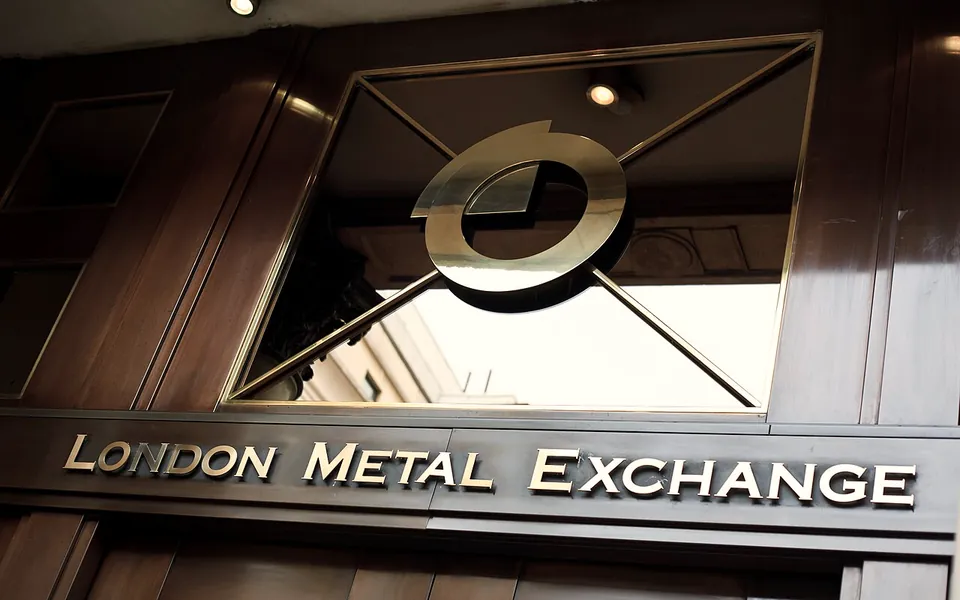
On Tuesday 8 March 2022 the nickel price on the London Metal Exchange (LME) shot up within a few hours. The three-month contract reached a high of $101,365 a tonne, more than double the day before, before the LME halted trading. When it stopped, the metal had pared part of the gain and was trading at around $80,000: up 66% on the day and 177% since Monday.
What the LME did
The LME suspended the nickel market at 08:15 London time and announced that it was cancelling all trades executed from midnight up to that point. It deferred physical delivery of contracts that were maturing, temporarily stopped publishing official and closing nickel prices and raised the margin required by 12.5%, to $2,250 a tonne. The suspension covered all trading venues; the LME was considering keeping it in place for several days and, according to the press, it would last at least until the morning of 11 March.
Why it rose
Two factors came together. The first is the war in Ukraine: Russia supplies around 10% of the world’s nickel and its company Nornickel is the largest supplier of battery-grade nickel, with 15% to 20% of the total, according to Reuters. Sanctions on Russia and uncertainty over its exports raised fears of supply cuts.
The second is a position that went wrong. According to three sources cited by Reuters, the Chinese group Tsingshan, one of the world’s largest producers of nickel and stainless steel, had been building a short position since the previous year, in other words bets that the price would fall. When the price rose it had to buy large amounts of nickel to reduce it and limit margin calls, the deposits the market demands when losses grow, which pushed the price up even further. This is what is known as a short squeeze. The Wall Street Journal put paper losses at about $8 billion, according to Fortune. Tsingshan and the LME declined to comment to Reuters; according to Fortune, Tsingshan told its creditors its finances were safe despite very heavy losses.
What to review
Nickel is a basic input for stainless steel and for the lithium-ion batteries in electric cars. A Morgan Stanley analyst warned, according to Fortune, that the jump in price could make electric cars dearer and slow their sales. But the most visible damage was to the market itself: while the suspension lasted, the benchmark contract could not be traded and there was no official price, and the producers, manufacturers and traders that use it to hedge or set prices were left without that tool.
It is worth knowing whether the company’s raw-material or component purchase contracts are indexed to the nickel price or to other LME benchmarks, and which clauses apply if the reference price stops being published. Anyone with exposure to commodities, directly or through funds, should know that a market can be suspended and that trades already made can be cancelled. Ask your adviser how this applies to you.
A benchmark market can also be left without a price.
This article is general information. It is not legal, tax or investment advice, and it does not take anyone’s particular circumstances into account.