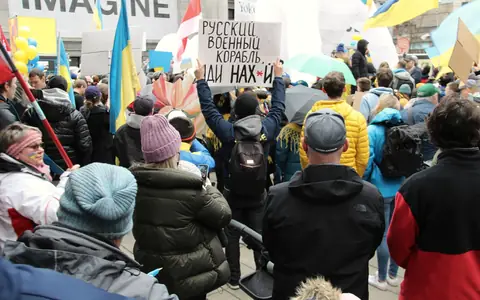
- In late February, the EU, the US and their allies cut several Russian banks off from SWIFT and froze a large part of the Russian central bank’s reserves.
- The rouble plunged, and collecting or paying across the region became far more complex and, at times, prohibited or subject to authorisation.
- Regulatory compliance went from formality to question of survival: one must know who one is dealing with and which rules apply to each transaction.
In late February 2022, the European Union, the United States and their allies cut several Russian banks off from the SWIFT system and froze a large part of the Russian central bank’s reserves. The rouble plunged. They were measures of unprecedented severity, adopted in response to the invasion of Ukraine. The combination of both measures sharply limited the country’s ability to operate with the outside world.
Beyond their political dimension, sanctions have very practical consequences for companies, including those with no direct business in Russia. Banks change their procedures, checks tighten and transactions with the region, or with third parties linked to it, are examined more carefully. Anyone who does not anticipate this risks blocked payments, delays and penalties of their own. The complexity lies less in each country’s rule than in the sum of different rules that may apply to the same transaction.
What SWIFT is
SWIFT is the messaging network used by banks around the world to order international payments. Being excluded from it does not stop operations altogether, but it makes collecting and paying abroad enormously harder, which is why it is considered one of the most forceful financial sanctions. It is infrastructure that is invisible when it works and indispensable when it is missing.
Freezing a central bank’s reserves is a different kind of measure: it prevents the affected country from using part of the assets it holds abroad. Both measures rely on the weight of Western financial institutions in world trade, which is why their effect goes well beyond the institutions directly targeted. When a correspondent bank or an insurer decides not to take the risk, the transaction becomes more expensive or is blocked even if it is not expressly prohibited.
Contracts, customers and collections
The sanctions forced many companies to review contracts, customers and outstanding receivables in the region. A transaction that was routine yesterday could become prohibited or require authorisation, and payments could be blocked along the way. The first practical question is always the same: who owes what to whom, in which currency and through which bank.
It is worth reviewing which contracts include sanctions or force majeure clauses, what happens to outstanding payments and what reporting obligations exist. Insurance and bank guarantees may contain exclusions related to sanctions, and collection times may lengthen. A specialist lawyer can say which transactions are permitted and which are not. Anticipating these questions is cheaper than resolving them once the payment is already held up.
Regulatory compliance
Regulatory compliance went from formality to question of survival. Companies with commercial or financial ties in the area needed to know who they were really dealing with, who stood behind each partner and which rules applied to each transaction, with the support of specialist advisers. A control failure can cost far more than doing the checks in time.
In practice that means knowing customers and suppliers, checking who is the ultimate beneficial owner of each company, documenting the checks carried out and training the people who take decisions. It is not a task that can be improvised on the day a request arrives. Moreover, sanctions rules change quickly, so what was valid yesterday may not be today. That is why it is wise to set up a periodic review procedure and name a person responsible for following it.
With sanctions, ignorance of the rule is no excuse.
This article is general information. It is not legal, tax or investment advice, and it does not take anyone’s particular circumstances into account.