On 23 August 2019 Ryanair announced it will close its Girona, Gran Canaria, Tenerife South and Lanzarote bases on 8 January 2020 and launched collective redundancies. What is known and what it means for Girona.
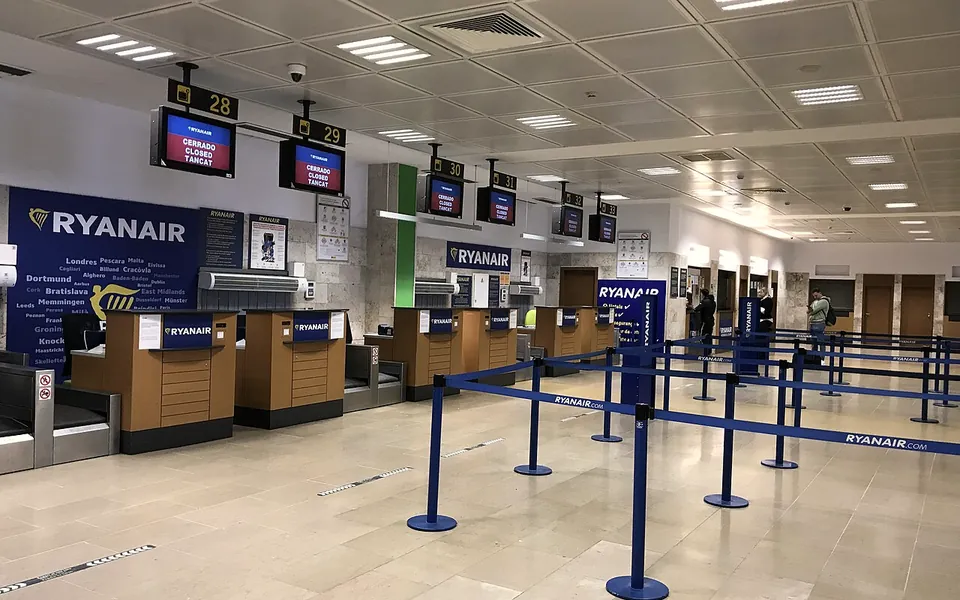
On Friday 23 August 2019, Ryanair told its staff by email that it will close its Girona base and three Canary Islands bases (Gran Canaria, Tenerife South and Lanzarote) on 8 January 2020, and that it is starting collective redundancy proceedings. The USO union, which broke the news, estimates that 512 workers are affected, pilots and cabin crew: 164 in Girona, 156 in Tenerife South, 110 in Gran Canaria and 82 in Lanzarote.
What Ryanair has announced
Ryanair attributes the closures to overcapacity in the European short-haul market and to delays in deliveries of the Boeing 737 MAX, which have been grounded since March and affect the aircraft available to the company in the coming months. The press also mentions the possible effect of a no-deal Brexit and the fall in first-quarter profits. Its people director, Lisa McCormack, said the company will do everything possible to minimise job losses, with transfers as the priority.
The announcement came when a cabin crew strike (USO and Sitcpla) was already called for ten days in September, starting on the 1st, and while minimum services were being negotiated. The unions consider that the closures and redundancies are not justified, accuse the company of dismantling its Spanish operation and point out that it still advertises jobs at other bases. USO’s organisation secretary at Ryanair, Jairo Gonzalo, said the company will have to explain itself to the Spanish labour authorities. The consultation period with workers’ representatives must now open, which under the Workers’ Statute cannot exceed 30 calendar days, and a negotiating committee was due to be set up in early September.
What it means for Girona
Closing a base is not the same as ceasing to fly to an airport: it means aircraft and crews no longer have their starting point there. But it reduces flights, direct employment and activity in the surrounding area: in Girona, 164 jobs according to the union. Girona–Costa Brava airport ended 2018 with 2,019,876 passengers, 3.8% more than in 2017, according to Aena.
The Catalan government’s minister for territory, Damià Calvet, regretted the decision on 24 August and blamed Aena, arguing that if it made the investments it should and had decentralised management allowing differentiated tariffs, the infrastructure would be put to better use. He also said he would ask to appear before the Catalan parliament to explain the tourism promotion contracts between the Generalitat and Ryanair, and that the territory and business departments would summon the company to a meeting on Monday.
What to review
For local businesses that depend on this traffic, such as hotels, restaurants, car rental or travel agencies, it is worth following which routes and frequencies the company keeps over the winter and what alternatives exist for customers and staff who travel. And for those with their own workforce, the case is a reminder that collective redundancy requires a consultation period with workers’ representatives and documentation to justify it.
The figures in circulation are the union’s and may change during the consultation period. Ask your adviser how it may affect your business.
When an airline adjusts its network, the airport and its surroundings are the first to notice.
This article is general information. It is not legal, tax or investment advice, and it does not take anyone’s particular circumstances into account.