The EU–Japan Economic Partnership Agreement entered into force on 1 February 2019 and removes most tariffs between the two economies. What it means for Spanish exporters.
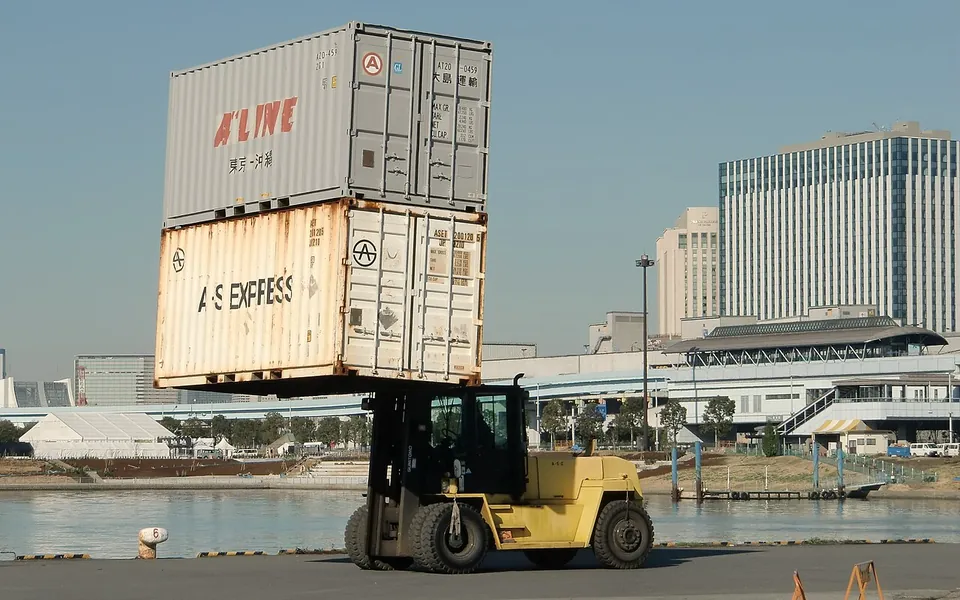
The Economic Partnership Agreement between the European Union and Japan entered into force on 1 February 2019. It was negotiated from 2013, concluded on 8 December 2017 and signed in July 2018. The European Commission presents it as the largest open trade zone in the world: 635 million people and almost a third of world gross domestic product. Its scope goes beyond tariffs: it covers services, public procurement, sustainable development and, for the first time in an EU trade agreement, a specific commitment to the Paris climate agreement.
What changes
The Commission estimates that the agreement removes most of the €1 billion in customs duties that European companies paid each year in Japan. Tariffs go from the start on more than nine out of ten EU exports to Japan and, once the agreement is fully applied, Japan will have removed duties on 97% of the goods it imports from the EU. Industrial products will end up tariff-free; on footwear, for example, the duty falls from 30% to 21% on entry into force and the rest disappears over ten years. Brussels estimates that annual trade between the two economies could grow by almost €36 billion once the agreement is fully implemented.
The agreement opens services markets, in particular financial services, e-commerce, telecommunications and transport, and makes it easier for European companies to access the public procurement of 54 large Japanese cities, as well as removing obstacles in the railway sector at national level. In parallel, on 23 January the EU and Japan adopted adequacy decisions so that personal data can flow freely between them, with mutual recognition of their data protection systems.
Food and drink
Wine, the EU’s second-largest agricultural export to Japan by value at around €1 billion, loses its tariff (15% on average) from day one. On cheese, Japan removes duties, previously 29.8% on varieties such as Gouda or Cheddar, and opens a duty-free quota for fresh cheeses. On pork, the EU’s main agricultural export to Japan, processed meat is traded duty-free and fresh meat almost duty-free. On beef, the 38.5% tariff will fall to 9% over fifteen years for a significant volume of products.
Japan will also protect more than 200 European agri-food products with a geographical indication, including Manchego cheese, at the same level of protection they have in the EU, and the EU will protect a selection of Japanese indications. For exporters, this means those names are shielded from imitations on the Japanese market.
What it means for Spanish exporters
According to the Commission (Eurostat data for 2015), 6,246 Spanish companies exported to Japan and 92% of them were SMEs. The Commission lists Manchego cheese among the European products that will be protected in Japan and names wine and pork among those that gain most from the tariff cuts. For exporting SMEs, the agreement lowers the cost of entering a market of 127 million consumers.
The benefits are not automatic. The tariff cuts are not always immediate: for fruit and vegetables, the Spanish federation FEPEX recalled that they will be completed over seven years and that phytosanitary protocols agreed between the two sides are also needed. For its part, the EU applies transition periods of up to seven years before removing tariffs in sensitive sectors such as cars.
Before targeting Japan, it is worth checking each product’s tariff heading and its tariff-cutting schedule in the annexes to the agreement, the proof of origin required to claim the preferential tariff, and the technical, health and labelling requirements of the Japanese market: the agreement addresses several non-tariff barriers, but each product has its own demands. The Commission has called the first meeting of the committee that will take stock of implementation for April 2019. Ask your foreign-trade adviser how this applies to your situation.
The disappearance of the tariff is not enough to sell in Japan: you need to know each product’s schedule and meet its requirements.
This article is general information. It is not legal, tax or investment advice, and it does not take anyone’s particular circumstances into account.