Ryanair cabin crew are on strike on 25 and 26 July 2018 in Spain, Portugal and Belgium, and on the 25th also in Italy. Which cancellations the airline announced and what rights the European Regulation gives passengers.
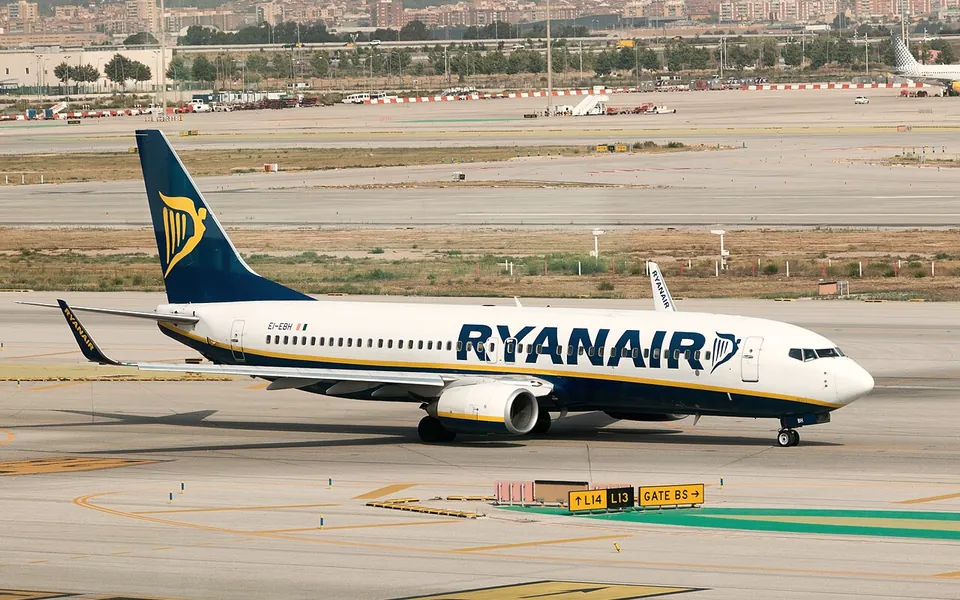
Ryanair cabin crew are on strike on 25 and 26 July 2018 in Spain, Portugal and Belgium, and on the 25th they were also on strike in Italy. In Spain it was called by the unions USO and Sitcpla. They are asking that staff be covered by the employment law of the country where they work, not Irish law, and that agency staff have the same conditions as the company’s own employees.
The cancellations
On 18 July Ryanair announced the cancellation of some 600 flights over the two days, 12% of those it operates each day in Europe, and estimated that it would change the plans of some 100,000 passengers, around 50,000 a day. According to the company, up to 200 flights a day to or from Spain, 50 in Portugal and another 50 in Belgium. Ryanair said it had contacted those affected and offered them an alternative flight in the seven days before or after, or a full refund of the ticket.
On 25 July the Ministry of Public Works (Fomento), with data from the State Aviation Safety Agency (AESA) and from Aena, spoke of a day without notable incidents, and Ryanair said its other flights were operating normally and that affected passengers had been rebooked or refunded. The government had set minimum services for both days.
Passengers’ rights
When a flight is cancelled, Regulation (EC) 261/2004 requires the airline to offer the passenger a choice: a full refund of the ticket within seven days, with a flight back to the point of departure where relevant, or alternative transport to the final destination as soon as possible or at a later date of the passenger’s choosing. It must also provide free assistance: meals and refreshments in line with the wait, a hotel and transfer if one or more nights are needed, and two telephone calls or emails.
Compensation is the most disputed part. The Regulation sets it at €250 for flights of up to 1,500 km, €400 for intra-EU flights of more than 1,500 km and all other flights of between 1,500 and 3,500 km, and €600 for the rest.
It is not due if the passenger was told of the cancellation at least two weeks in advance; with less notice it depends on the alternative flight offered and how much earlier or later it is, and the burden of proving when notice was given lies with the airline. Nor is it due if the cancellation is caused by extraordinary circumstances that could not have been avoided even if all reasonable measures had been taken.
Compensation in dispute
The question is whether a strike by the airline’s own staff is an extraordinary circumstance. According to the business press on 19 July, Ryanair has argued that union strikes are, and that this is why it does not pay compensation; in its statements it offers a refund or an alternative flight.
The Court of Justice of the European Union dealt with a similar situation in its judgment of 17 April 2018 (Krüsemann and Others v TUIfly, joined cases C-195/17 and others). In September 2016 the management of the German airline announced a restructuring by surprise and, following a call spread by the workers themselves, a large share of pilots and cabin crew called in sick for a week, with many flights cancelled or delayed.
The Court held that this wildcat strike is not an extraordinary circumstance: restructuring and conflicts with staff are part of the normal management of an airline, and whether the strike is lawful or not under national law is irrelevant. It added that a strike does not automatically exempt an airline and that each case must be assessed.
The judgment does not deal with the Ryanair strike, which is different: it is called by unions and aims to improve working conditions. Whether that difference changes the answer will be decided, case by case, by the company, the supervisory authority and, where applicable, the national courts. Passengers with a cancelled flight can first claim from the airline and, if it does not reply or they disagree, go to AESA, which oversees compliance with the Regulation in Spain; it is worth keeping the boarding pass, the emails and receipts for expenses.
Refund, alternative transport and assistance do not depend on who causes the cancellation; compensation does.
This article is general information. It is not legal, tax or investment advice, and it does not take anyone’s particular circumstances into account.