On 7 June 2018 Bayer completed the acquisition of Monsanto at $128 a share, about $63 billion including debt. What the regulators required to clear it, and how the integration will proceed.
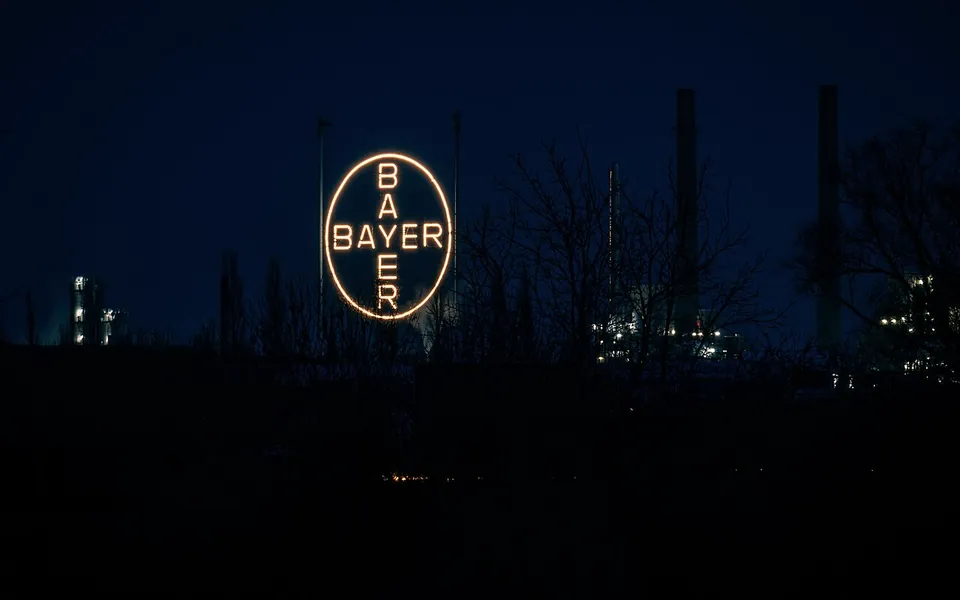
On 7 June 2018 Germany’s Bayer completed the acquisition of the US company Monsanto, the largest in its history. Monsanto shareholders receive $128 per share and the company is delisted from the New York Stock Exchange. Bayer puts the deal at about $63 billion, counting Monsanto’s debt as of 28 February 2018; the US Department of Justice valued it at about $66 billion.
The competition conditions
The deal created the world’s largest integrated seeds and pesticides group, and for that reason the competition authorities made it subject to conditions. The European Commission cleared it on 21 March 2018 after analysing more than 2,000 product markets and 2.7 million internal documents. It concluded that, as notified, the deal would have significantly reduced competition on price and innovation in seeds, pesticides and digital agriculture. Bayer undertook to sell a package of businesses that the Commission valued at well over €6 billion and to license its entire digital agriculture portfolio, and it proposed BASF as the buyer.
On 29 May the US Department of Justice cleared the deal with a settlement: Bayer is selling BASF businesses and assets worth about $9 billion, the largest divestiture the antitrust authorities in that country had obtained to that point. According to Bayer, those businesses generated sales of €2.2 billion in 2017 and their total base price is €7.6 billion. According to the agricultural press, they include soybean, cotton and canola seeds, the Nunhems vegetable seeds, glufosinate herbicides and a digital farming platform.
What changes now
Until the sales to BASF are completed, Monsanto will operate separately; Bayer expects integration to begin in about two months. Liam Condon, a member of Bayer’s board, will lead the combined crop science division when it starts, and Hugh Grant, Monsanto’s chairman and chief executive, is leaving his post.
Bayer announced on 4 June that Monsanto will no longer be a company name. The acquired products will keep their brands, such as Roundup, DeKalb, Asgrow, Seminis or Deltapine, and join Bayer’s portfolio. The company says it is keeping its own name because of the positive recognition it found in its research, and Condon acknowledged that changing a name does not change a reputation overnight.
What to review
For a company that buys or merges with a competitor, the deal shows how merger control works: the authority identifies the markets where the parties overlap and requires those businesses to be sold to a third party that will keep competition alive. Depending on its size, a transaction may have to be notified to the European Commission or to Spain’s National Markets and Competition Commission (CNMC), and it cannot be closed before clearance is received.
Whoever buys a company also takes on its lawsuits and claims. Roundup contains glyphosate, which the International Agency for Research on Cancer (IARC) classified in 2015 as probably carcinogenic to humans; Monsanto maintains that it has a long history of safe use, and there is pending litigation in the US over the product. In an acquisition, prior review of liabilities and contingencies weighs as much as the price.
If your company is a customer or supplier of companies that are merging, it is worth reviewing the change-of-control and exclusivity clauses in your contracts, and also who will pay the invoices and on what terms during the period when the two companies operate separately.
Closing a purchase is not the end: it is the start of an integration with deadlines, conditions and liabilities.
This article is general information. It is not legal, tax or investment advice, and it does not take anyone’s particular circumstances into account.