On 25 January 2017 the average wholesale electricity price in Spain reached €91.88 per megawatt hour, the highest since December 2013. What explains it and how it reaches bills and the social tariff.
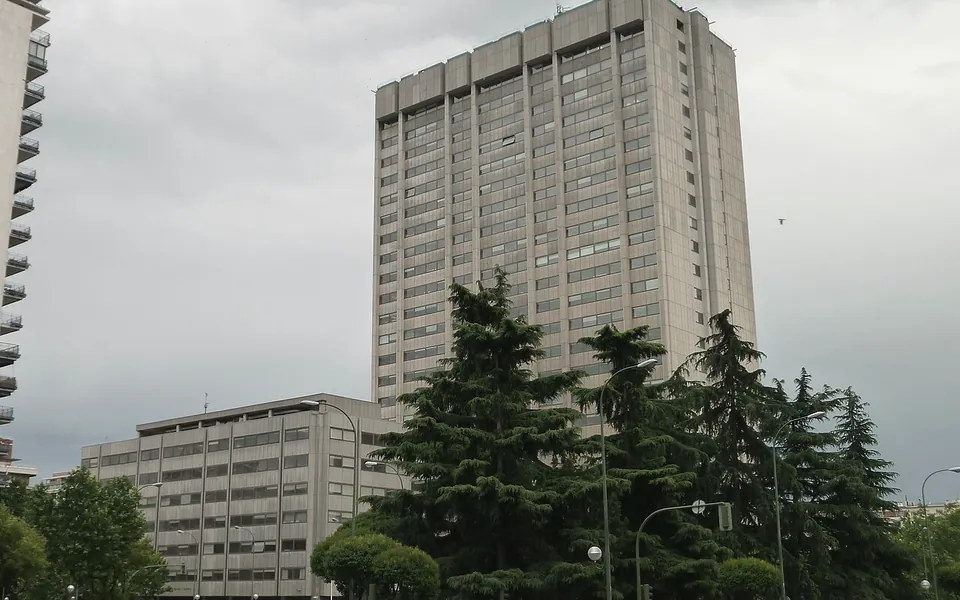
The wholesale electricity market, run by the operator OMIE (Operador del Mercado Ibérico de Energía), set an average price of €91.88 per megawatt hour (MWh) for Wednesday 25 January 2017, the highest since December 2013, when it reached €91.89. According to figures published by Red Eléctrica de España, the grid operator, at least one hour that day exceeded €100. On Thursday 26 the average was €87.88, and for Friday 27 the market has already set €75.93, 13.6% lower.
Why prices have risen
There is no single cause but several at once. Since 18 January a mass of very cold continental air has swept across the peninsula, according to the State Meteorological Agency (AEMET), and electricity demand over the first 25 days of the month is 8% higher than in the same period of 2016, according to Red Eléctrica. At the same time there has been little rain and little wind: in those 25 days hydro output is 38% lower and wind output 23% lower than a year earlier.
The gap has been filled by coal, whose output has more than doubled, and gas-fired combined-cycle plants, up 55%. These plants burn fuel, and gas and coal are dearer than a year ago. Because in the day-ahead market every plant is paid the price of the last one needed to meet demand, the cost of those technologies sets the price for all. France adds to the pressure: according to the business press, part of its nuclear fleet is shut down and the country has been importing more electricity from Spain, which tightens the Spanish market.
What it means for bills
Not every consumer feels the wholesale price in the same way. The voluntary price for small consumers (PVPC), the regulated tariff open to supply points of up to 10 kW, calculates the cost of energy from the hourly prices of the day-ahead and intraday markets, under Royal Decree 216/2014. Those on it pay the price of each hour if they have a smart meter, or that of a standard consumption profile if they do not. According to the National Markets and Competition Commission (CNMC), at the end of 2016 58% of Spain’s 29 million supply points were on the free market; the rest, about 12 million, were on the regulated tariff.
A rough calculation: a household using 300 kilowatt hours in a month would pay, for energy alone, about €11 more at €72 per MWh than at January 2016’s €36, before tolls, other costs and taxes. And energy is only part of the bill: the rest is network tolls and charges set by the government, which have been kept for 2017 (most have not changed since January 2014), plus taxes. On the free market, fixed-price contracts do not pass these swings on while they last, and the price is reviewed at renewal.
The social tariff and what to review
The social tariff (bono social) is a discount on the PVPC: 25% on every component of the price, under the royal decree. Until the planned regulations are developed, entitlement goes to individuals with less than 3 kW contracted in their main home, pensioners aged 60 or over on the minimum pension, large families and families in which every member is unemployed, under the Electricity Sector Act. Because it is a discount on the PVPC, the reference supplier applies it to those on the regulated tariff.
Its financing has just changed. After several rulings by the Third Chamber of the Supreme Court declared the previous cost-sharing unenforceable, Royal Decree-Law 7/2016 of 23 December puts the cost on the parent companies of groups that sell electricity, in proportion to their customer numbers, and orders the government to approve, within three months of its validation, a royal decree defining who counts as a vulnerable consumer.
It is worth checking on the bill which tariff you hold, how energy is billed and, if the contract is on the free market, how long the agreed price lasts. Businesses with more than 10 kW contracted cannot use the PVPC: they should know whether their contract fixes the price or links it to the day-ahead market, because in the second case the rise passes through to their costs.
The price of electricity is set every day in the market; what each customer pays depends on the tariff they have chosen.
This article is general information. It is not legal, tax or investment advice, and it does not take anyone’s particular circumstances into account.