On 6 November 2025 Tesla’s annual meeting approved a pay plan for Elon Musk that could be worth close to a trillion dollars in shares if the company meets extraordinary targets over ten years.
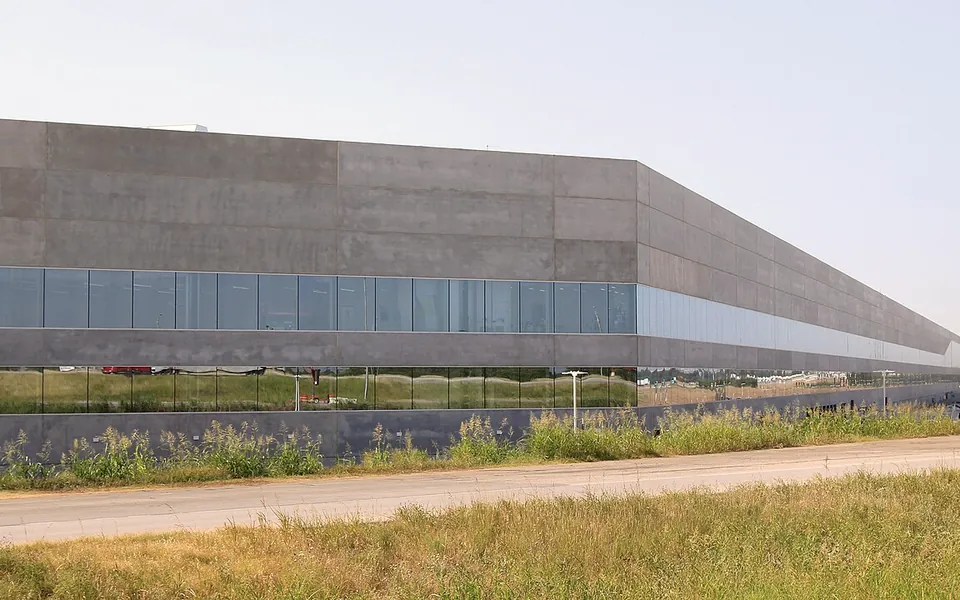
Tesla shareholders approved on 6 November 2025, at their annual meeting in Austin, Texas, a share-based pay plan for chief executive Elon Musk that could be worth close to a trillion dollars over ten years if all its targets are met. The proposal won more than 75% of the votes cast, excluding the shares of Musk and his brother Kimbal.
How it works
The plan includes no salary or cash: Musk will receive shares in twelve tranches, each tied to Tesla reaching a given market value, from $2 trillion for the first to $8.5 trillion for the last, against roughly $1.5 trillion at the time, and to operating targets such as delivering 20 million vehicles, deploying a million robotaxis or selling a million humanoid robots. If he meets them all, his stake could rise from around 12% to more than 25%.
The vote came after a Delaware court struck down Musk’s previous pay plan, approved in 2018, because the board lacked independence. Tesla later moved its registered office to Texas.
The debate
The main proxy advisers, ISS and Glass Lewis, and some large investors, such as Norway’s sovereign wealth fund, opposed it because of the plan’s size and the concentration of power. The board argued it was the way to keep Musk focused on Tesla, on the grounds that he would only be paid if shareholders gained far more.
What it means for a board
The case is extreme, but it raises useful questions for any company: how to align executive pay with shareholder value, what role independent directors should play and how to avoid dependence on a single person. In family businesses the same questions arise when designing managers’ pay and succession. Ask your adviser how to structure it in your case.
An executive’s pay says a great deal about who really runs a company.
This article is general information. It is not legal, tax or investment advice, and it does not take anyone’s particular circumstances into account.