Friedrich Merz was elected chancellor on 6 May 2025 in a second ballot, after failing to win a majority in the first, something that had never happened in post-war Germany.
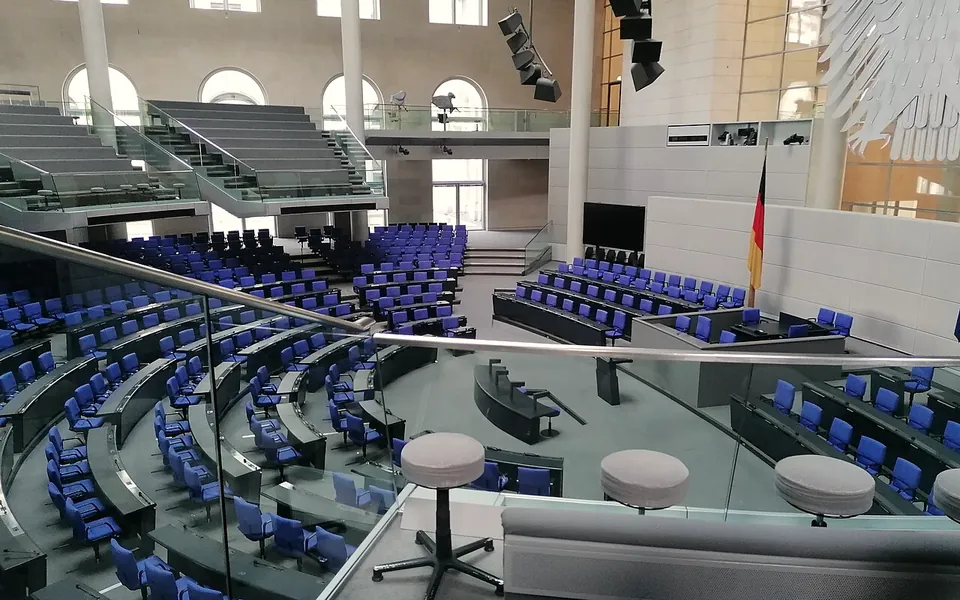
On 6 May 2025 the Bundestag elected Friedrich Merz, leader of the CDU, as chancellor of Germany. In the first ballot, in the morning, he won 310 votes, six short of the 316 he needed, even though his coalition with the SPD held 328 seats: at least eighteen members of the majority withheld their support in a secret vote. It was the first time since 1949 that a candidate had failed in the first round. In the afternoon, in a second ballot, he won 325 votes.
What we know
Merz governs with a grand coalition of the conservative CDU/CSU, which won February’s election, and the Social Democrats of the SPD, with Lars Klingbeil as vice-chancellor and finance minister. The far-right Alternative for Germany (AfD) became the second-largest force in parliament.
Even before his election, in March, the outgoing parliament had approved the constitutional reform exempting much defence spending from the debt brake and creating a €500 billion infrastructure fund over twelve years, a historic shift in German fiscal policy.
Why it matters
Germany is Europe’s largest economy and had spent two years in recession or stagnation. The new government promised to revive industry, lower energy costs, cut red tape and speed up public investment. The initial stumble, however, showed how fragile its majority is in a fragmented parliament.
The market reaction
The failed first ballot caused a brief dip in German shares, which recovered after the election. The DAX index had posted strong gains in 2025, driven precisely by expectations of defence and infrastructure spending.
For Spanish companies, Germany is one of the main export markets and sources of tourists, and an investment plan on that scale opens opportunities in engineering, construction, energy and defence. Ask your adviser how it may affect your sector.
In a coalition, a majority is proved vote by vote.
This article is general information. It is not legal, tax or investment advice, and it does not take anyone’s particular circumstances into account.