On 8 May 2025 the conclave elected Cardinal Robert Francis Prevost, born in Chicago and with a long career in Peru. He took the name Leo XIV.
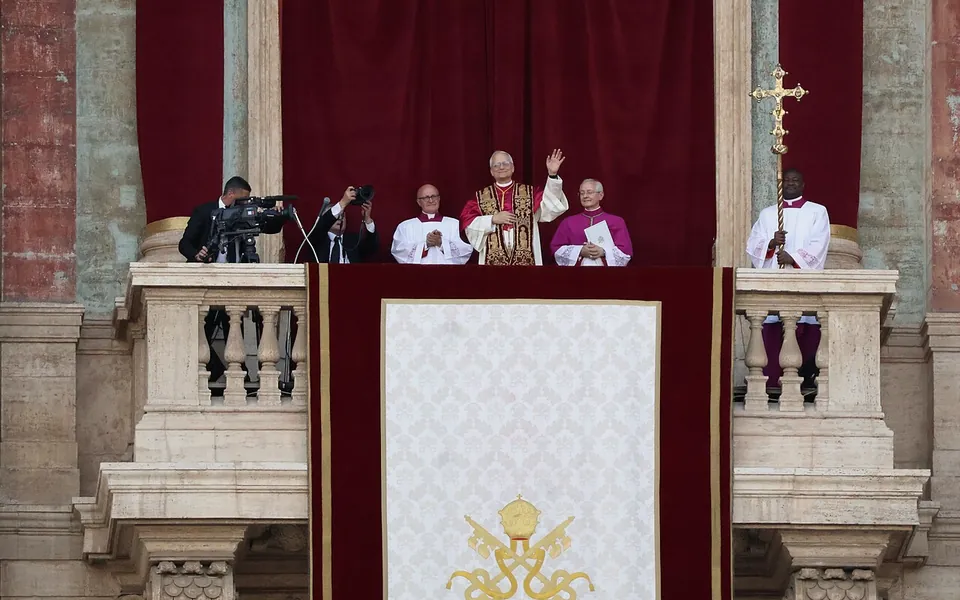
White smoke rose from the Sistine Chapel chimney on the evening of 8 May 2025, at the fourth ballot of the conclave, which had begun the day before with 133 cardinal electors. Shortly afterwards, from the balcony of St Peter’s Basilica, the cardinal protodeacon announced the name of the new pope: Cardinal Robert Francis Prevost, aged 69, who took the name Leo XIV.
Who he is
Prevost was born in Chicago in 1955. He is an Augustinian and was prior general of his order for twelve years. He spent much of his life in Peru, as a missionary and later as Bishop of Chiclayo, and also holds Peruvian nationality. In 2023 Francis appointed him prefect of the Dicastery for Bishops, the department that proposes the appointment of bishops worldwide, and made him a cardinal.
In his first address he spoke of peace, dialogue and a “missionary” Church, greeted his former Peruvian diocese in Italian and Spanish, and presented himself as continuing Francis’s line, though with a more restrained style.
Why the name matters
The choice of name is the first signal of a papacy. Leo XIII was the pope of the 1891 encyclical “Rerum novarum”, regarded as the origin of the Church’s social teaching: it dealt with workers’ rights, private property and the role of the state at the height of the industrial revolution. Leo XIV explained that he had chosen the name because the Church now faces another revolution, that of artificial intelligence, with challenges for human dignity, justice and work.
It is not a minor detail for business: the Church’s social teaching shapes the debate on wages, working conditions and the ethical use of technology in many countries with a Catholic tradition, including Spain and Latin America.
What comes next
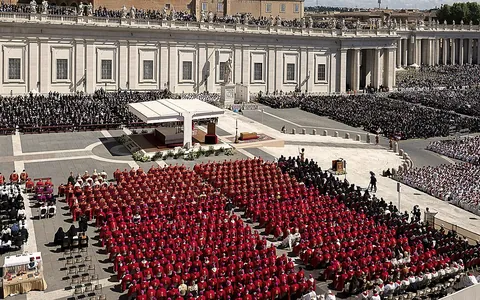
The new pope celebrated the inauguration Mass of his pontificate on 18 May in St Peter’s Square. Among his first challenges are the Vatican’s finances, which run deficits, carrying forward his predecessor’s reforms and mediation in conflicts such as the war in Ukraine.
A name chosen more than a century ago returns to speak about work in the age of artificial intelligence.
This article is general information. It is not legal, tax or investment advice, and it does not take anyone’s particular circumstances into account.