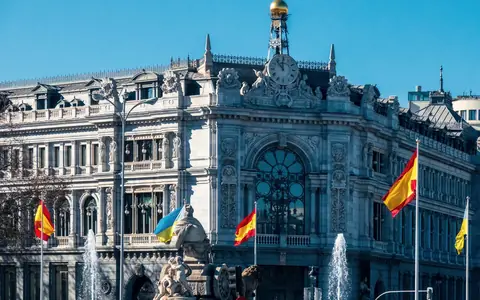
- On 19 October Emirates Team New Zealand won the America’s Cup against the British team.
- The final closed two months of racing off Barcelona’s coast; the city showed its ability to host a global event at sea.
- The legacy depends on what is done afterwards: it is worth keeping up the relationship with the clients and contacts who arrived during the event.
On 19 October 2024, Emirates Team New Zealand won the America’s Cup against the British team. The final brought to a close two months of racing off Barcelona’s coast, which had been the stage for the world’s oldest international sporting competition. For fans, it was the outcome of a long competition; for the city, the close of a period of intense activity. The competition brought together teams, sponsors and visitors from several countries, and its close raises the question of what will remain.
Once an event of this magnitude is over, it is time to take stock. Beyond the sporting result, which belongs to the protagonists, what matters is what the event leaves behind in terms of reputation, infrastructure and commercial relationships. It is a good moment for local businesses to ask what they have learned and how they can keep the benefits once attention has shifted elsewhere. A serious assessment takes into account sales, costs, reputation and relationships, and is made with data and not impressions.
The result
A competition that stretches over two months of racing has a sustained effect on the city’s activity, unlike an event lasting a single day. That duration allowed many businesses to adjust their offer as they saw how demand responded.
The close of the competition also means the dismantling of facilities, the departure of teams and visitors and the return of the waterfront to its usual rhythm. For the businesses that prepared for the event, it is the moment to check how much it meant in sales, new clients and costs, and to decide which part of what was done deserves to be kept.
The city as a stage
Beyond the sporting result, the city showed its ability to host a global event at sea. An occasion like this requires coordinating authorities, services, security and private companies for weeks, and its balance is also measured in reputation. Having been an efficient and welcoming host improves the chances of staging future international events. A good visitor experience is also the best advertising a city can have.
The experience also serves as learning. Managing mobility, cleaning, coexistence with neighbours and information for visitors during a period of extraordinary attendance leaves lessons that can be applied to other events and to the ordinary management of the city. Those lessons have value only if they are analysed rigorously and built into future plans.
The legacy
The legacy in port and nautical infrastructure remained for the years ahead. Improvements to quays, access and services can be useful long after the racing teams have gone, as long as they are maintained and used. Their real value will be seen in everyday use, not just during the competition. Infrastructure without use becomes a maintenance cost; with use, a competitive advantage for the area.
For local businesses, the challenge is to keep up the relationships with the clients and contacts who arrived during the event, and not to limit themselves to its busiest weeks. A message of thanks, an offer designed for those who discovered the business during those days and a carefully kept online presence help to prolong the effect. A one-off event is worth more when it turns into relationships that last. The same applies to the relationships with suppliers and collaborators activated to meet the extraordinary demand.
What a major event leaves behind depends on what is done afterwards.
This article is general information. It is not legal, tax or investment advice, and it does not take anyone’s particular circumstances into account.