From 27 August 2025 Indian goods pay a 50% tariff in the United States: 25% general plus a further 25% penalty for buying Russian oil. One of the highest in the world.
On 27 August 2025 the additional 25% tariff that President Donald Trump had decreed against India earlier in the month came into force, as a penalty for its purchases of Russian oil, which Washington said helped finance the war in Ukraine. Added to the 25% reciprocal tariff in force since 7 August, Indian goods now paid 50%, one of the highest levels applied to a major trading partner.
What we know
Since 2022 India had become one of the largest buyers of Russian crude, taking advantage of discounts after Western sanctions. The tariff hit labour-intensive sectors such as textiles, jewellery, footwear, seafood and furniture. Key products were exempt, such as generic medicines, of which India is a major supplier to the United States, electronics and certain energy products.
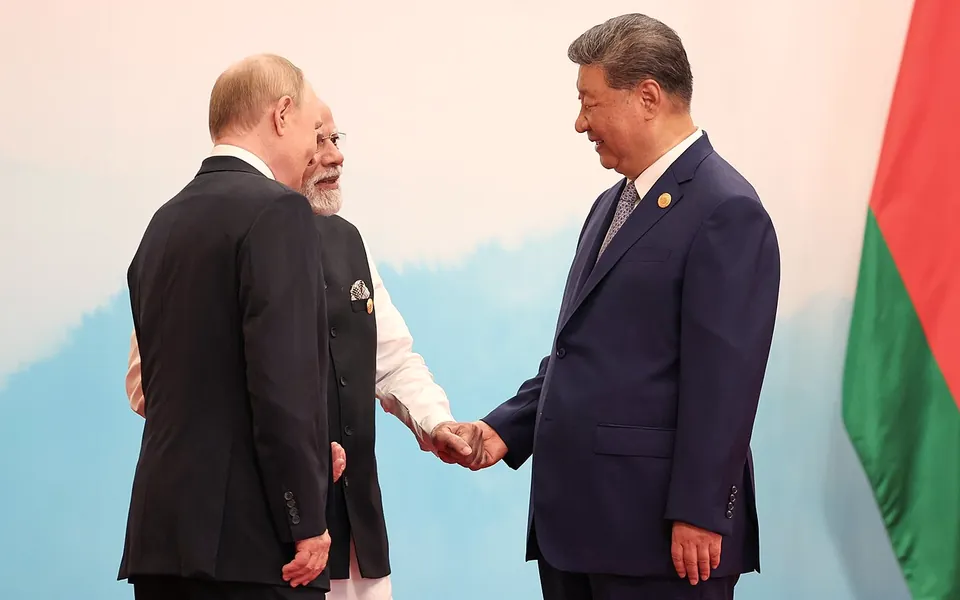
Narendra Modi’s government called the measure unfair and did not give up Russian oil. A few days later Modi travelled to China for the Shanghai Cooperation Organisation summit, where he met Xi Jinping and Vladimir Putin, an image read as a warning to Washington. Trade talks between the two countries continued in the following months.
Why it matters
India is the world’s fastest-growing large economy and a key destination for companies seeking to diversify production away from China. The tariffs added uncertainty to that strategy and showed that US trade policy could also be used as a geopolitical sanction.
What to bear in mind
For Spanish companies with suppliers or factories in India exporting to the United States, the tariff made that route more expensive; for those competing with Indian products in the US market, it opened a temporary advantage. It is worth reviewing the origin of the supply chain and supply contracts in the face of sudden tariff changes. Ask your adviser how it may affect you.
Tariffs have become an instrument of foreign policy, not just of trade.
This article is general information. It is not legal, tax or investment advice, and it does not take anyone’s particular circumstances into account.